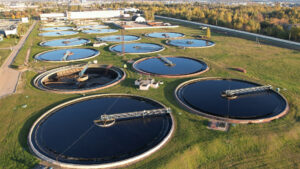
Have you ever stopped to think about what happens after you flush the toilet or drain the sink? In a world facing growing water scarcity, the process of managing wastewater has become more critical than ever. This is where sewage treatment plant service comes into play, ensuring that waste is handled responsibly to protect both health and the environment.
Sewage treatment has evolved dramatically over centuries, turning what was once a simple disposal method into a sophisticated system that recycles resources. Today, with innovations and regulations driving change, understanding these facts can help communities make informed decisions. From historical milestones to modern challenges, a wealth of insights awaits.
In many urban areas, sewage treatment is not just a necessity but a pathway to sustainability. For instance, in India, where rapid urbanization strains resources, effective management prevents pollution and promotes reuse. This approach aligns with global efforts to conserve water while addressing local needs.
The Evolution of Sewage Treatment
Sewage systems have been part of human civilization for millennia. Ancient Romans are credited with developing early networks, including cesspools that separated waste from clean water. These rudimentary designs laid the groundwork for modern infrastructure, emphasizing the need to keep waste away from living areas.
By the 19th century, as cities like London grappled with cholera outbreaks, proper treatment became urgent. The “Great Stink” of 1858 prompted the construction of comprehensive sewer systems, marking a shift toward organized wastewater management. Sewage was no longer dumped directly into rivers; instead, basic filtration began to emerge.
In India, colonial influences introduced formal systems, but post-independence growth highlighted gaps. Today, initiatives like the Namami Gange Programme focus on reviving rivers by enhancing treatment capacities. This evolution reflects a global trend toward sustainability, where waste is viewed as a resource rather than a burden.
Ancient Innovations That Shaped Modern Systems
Early civilizations, such as those in the Indus Valley, featured advanced drainage. Brick-lined sewers directed waste away from homes, preventing contamination. These designs influenced Roman aqueducts and cloacas, which handled both stormwater and sewage.
Fast forward to the Industrial Revolution, when population booms overwhelmed existing setups. Inventions like the flushing toilet increased wastewater volumes, necessitating treatment plants. By the early 1900s, the U.S. had over 60 plants serving a million people, focusing on solid removal.
In contemporary India, this history informs policies. For example, in West Bengal, heritage sites blend old drainage with new tech, addressing queries about integrating traditional methods in modern urban planning.
Milestones in India’s Sewage Treatment Journey
India’s journey began with British-era systems in major cities. Post-1947, the focus shifted to public health, leading to the first major plants in the 1950s. The 1980s saw environmental laws strengthening, with the Water (Prevention and Control of Pollution) Act mandating treatment.
Recent milestones include the Swachh Bharat Mission, which boosted infrastructure. By 2024, over 1,093 operational plants exist, though capacity covers only 37% of generated sewage. In states like Maharashtra, reuse mandates for industries highlight progress amid ongoing debates on equitable implementation.
Key Processes in Modern Sewage Treatment
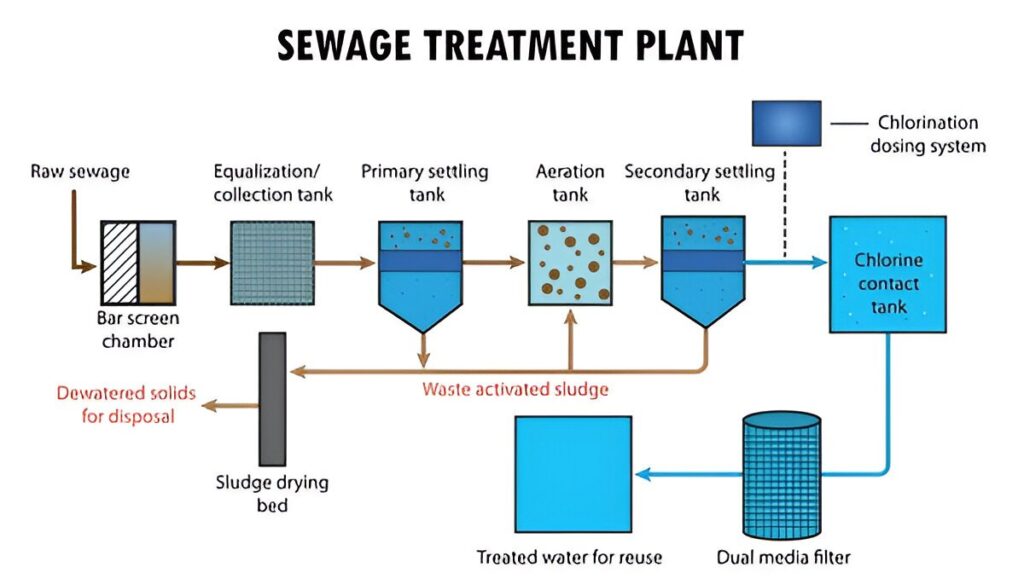
Sewage treatment involves multiple stages to remove contaminants. Preliminary treatment screens out large debris, while primary settling allows solids to separate. This foundational step reduces organic load before advanced processes.
Secondary treatment uses biological methods, like activated sludge, where microbes break down organics. Tertiary steps, including filtration and disinfection, ensure the effluent meets standards for safe discharge or reuse.
In India, where user queries often focus on efficiency, understanding these processes helps in selecting appropriate sewage treatment plant service tailored to local conditions.
Primary, Secondary, and Tertiary Stages Explained
Primary treatment relies on physical separation. Grit tanks remove sand, and sedimentation allows sludge to settle. This stage eliminates up to 60% of suspended solids.
Secondary processes introduce aeration. Systems like sequencing batch reactors (SBR) or rotating biological contactors (RBC) enhance microbial activity. Nutrients are reduced, preventing eutrophication in water bodies.
Tertiary treatment polishes the water. Advanced methods like UV disinfection or membrane filtration remove remaining pathogens and chemicals. In urban India, this is vital for reuse in irrigation.
Types of Treatment Plants Commonly Used
1. Activated Sludge Plants (ASP):
Widely used for large-scale applications, ASP systems rely on continuous aeration to stimulate bacterial activity that breaks down organic waste. They deliver high treatment efficiency but involve higher energy consumption and skilled operation.
2. Submerged Aerated Filters (SAF):
SAF systems feature a compact footprint and stable performance, making them suitable for smaller communities and urban locations. In space-constrained regions like West Bengal, they are preferred for ease of installation and lower operational complexity.
3. Decentralized Treatment Systems:
Mound, soak pit, or drip distribution systems are designed for rural and remote areas. They offer cost-effective, flexible solutions where centralized infrastructure is not feasible.
Surprising Statistics on Sewage in India
India generates 72.4 billion liters of sewage daily, but only 28% is treated. This leaves a massive 72% untreated, polluting rivers and groundwater.
The market for wastewater treatment is valued at USD 9.64 billion in 2024, projected to reach USD 18.63 billion by 2033. Growth is driven by urbanization and regulations.
In states like Uttar Pradesh, the treatment gap is widest, with only 3,296 MLD treated out of 5,500 MLD generated. These figures underscore the urgency for expanded services.
National and Regional Data Breakdown
| State/Region | Sewage Generation (MLD) | Treatment Capacity (MLD) | Reuse Rate (%) | Key Challenge |
|---|---|---|---|---|
| Uttar Pradesh | 5,500 | 3,296 | Low | Infrastructure gaps |
| Maharashtra | High (urban focus) | Varies by city | 20-50 | Equity in access |
| Karnataka (Bengaluru) | ~2,000 | 1,000 | 50 | Lake pollution |
| Delhi | 4,500+ | 19% treated | Slow | Implementation delays |
| Haryana | ~2,000 | 1,965 | High for industry | Quality compliance |
Data from CSE and government reports shows regional disparities. For instance, Chennai reuses for industry, while Rajasthan faces equity issues.
Nationally, 1,093 plants operate with 26.9 billion liters capacity. Yet, 400 are non-functional, highlighting maintenance needs.
In East India, including West Bengal, queries about flood-prone areas reveal how monsoons exacerbate untreated discharge.
Global Comparisons and What India Can Learn
Globally, the U.S. treats 34 billion gallons daily. Households pay $780 annually, up 85% since 2010.
India’s 37% treatment rate lags behind, but growth at 7.6% CAGR offers hope. Learning from EU models, emphasizing circularity, could boost reuse.
Counterarguments note high costs, but benefits like reduced health expenses justify investment.
Environmental Impacts of Untreated Sewage
Untreated sewage devastates ecosystems. In India, it pollutes rivers like the Yamuna, turning them toxic. High fecal coliform levels harm aquatic life.
Groundwater contamination affects 68% of rural wells. This spreads diseases, straining health systems.
Climate change amplifies issues, with stressed aquifers in northern states. Balanced views acknowledge industrial contributions but emphasize domestic sources.

Health Risks and Disease Spread
Diarrhea claims 350,000 children yearly due to poor treatment. Pathogens like cholera thrive in contaminated water.
Airborne risks from aerosols add to concerns. In urban hubs like Howrah, residents query about local outbreaks linked to overflows.
Preventive services reduce these risks, promoting community well-being.
Ecosystem Damage and Biodiversity Loss
Eutrophication from nutrients kills fish and disrupts food chains. Rivers receive 4,500 MLD untreated in some states.
Biodiversity in lakes declines, with examples from Bengaluru’s revived water bodies showing recovery potential. Debates on restoration costs versus inaction highlight long-term savings.
Innovations Shaping the Future
Innovations like membrane bioreactors improve efficiency. They enable compact, high-quality treatment.
Bioaugmentation uses microbes for better degradation. In India, these address space limits in growing cities.
PFAS destruction and real-time monitoring represent cutting-edge shifts. These respond to queries about sustainable tech in water-stressed areas.
Emerging Technologies in Wastewater Management
Photocatalysis degrades contaminants using light. It’s eco-friendly, reducing chemical use.
Anaerobic digestion produces biogas, turning waste into energy. Plants in Nagpur supply to power stations.
Decentralized units with smart sensors optimize operations. They suit rural India, balancing cost and effectiveness.
Case Studies from India and Abroad
In Bengaluru, treated water revives lakes and recharges groundwater. This model answers queries on urban greening.
Abroad, Singapore’s NEWater reuses 40% of wastewater. India can adapt similar strategies for arid regions.
Challenges like high initial costs are offset by long-term savings, as seen in PPP models in Chennai.
Benefits of Effective Sewage Management
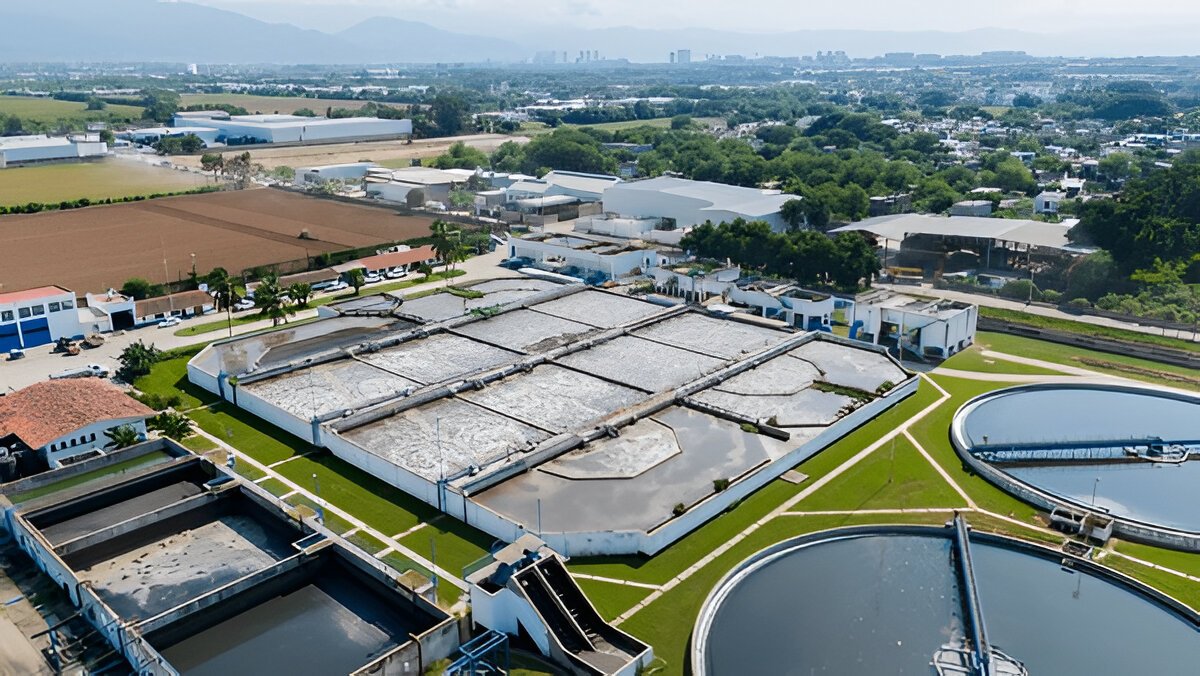
Proper treatment reduces pollution, recharging aquifers. It saves money through reuse, cutting freshwater needs.
Energy from biogas lowers bills. In India, this supports rural economies.
Health improvements prevent diseases, with economic gains from avoided medical costs. Balanced perspectives note initial investments but emphasize returns.
Economic Advantages for Communities
Reuse in agriculture boosts yields, as in Uttar Pradesh. It creates jobs in maintenance sectors.
Cost savings: Treated water is cheaper for industry. In West Bengal, this addresses industrial queries.
Long-term, it reduces infrastructure strain, preventing costly repairs.
Social and Environmental Gains
Communities gain clean water access, enhancing hygiene. Biodiversity thrives with reduced eutrophication.
Socially, it promotes equity, especially for underserved areas. Debates on cultural acceptance are met with education campaigns.
Common Challenges and Solutions
Overloading causes small floc, hindering settling. Solutions include better monitoring.
Odors from poor aeration are fixed with biofilters. In India, aging infrastructure is a key issue.
Short circuiting reduces efficiency; redesigns help. Services address these proactively.
Identifying Frequent Issues in Plants
Sludge overflow from excess phosphorus requires chemical adjustments. Blower overheating signals air shortages.
Compliance violations stem from combined overflows. In flood-prone areas like Howrah, this is common.
Equipment decay increases costs; regular checks prevent.
Practical Solutions and Best Practices
- Monitor oxygen levels to avoid settling issues.
- Use bioaugmentation for odor control.
- Schedule de-sludging to maintain capacity.
- Implement real-time sensors for efficiency.
- Train staff on compliance to reduce violations.
These practices, drawn from global standards, ensure longevity.
Maintenance Tips for Sewage Treatment Plants
Regular servicing prevents breakdowns. Annual checks on components like blowers are essential.
Avoid overloading with grease or chemicals. This preserves microbial balance.
In India, sewage treatment plant service providers offer tailored plans, answering cost-related queries.
Daily and Weekly Routines
Inspect for clogs daily. Weekly, check water quality.
Limit disposal units to prevent strain. Hand washing protocols enhance safety.
These habits extend plant life.
Professional Service Recommendations
De-sludge every 6-12 months. Hire certified services for compliance.
In West Bengal, local providers address geo-specific needs like monsoon preparations.
Costs range from INR 3,000-5,000 per household annually.

Cost Considerations for Sewage Treatment Plant Services in India
Installation for 5-10 KLD plants costs INR 2.5-3 lakhs. Larger ones reach INR 1-1.5 crores.
Maintenance adds 50-70% to power bills. Factors like technology influence totals.
In regions like East India, subsidies may apply, responding to affordability queries.
Breakdown of Installation and Operational Costs
| Capacity (KLD) | Installation Cost (INR) | Annual Maintenance (INR) | Key Factors |
|---|---|---|---|
| 5-10 | 2.5-3 lakhs | 3,000-5,000/household | Basic tech |
| 50 | 10-15 lakhs | 50,000+ | Membrane systems |
| 100 | 1-1.5 crores | 1-2 lakhs | Industrial scale |
| 500+ | 5+ crores | Variable | Reuse features |
Operational expenses include energy (50-70%) and labor.
Factors Influencing Pricing
Technology: Advanced like RO increases costs. Location affects logistics.
Regulations mandate quality, adding to budgets. ROI through reuse offsets this.
Read More: How Does a Residential Sewage Treatment Plant Work? (Step-by-Step Breakdown)
Conclusion
From its early methods to today’s technology-driven solutions, sewage treatment highlights how essential effective resource management has become. In India, closing the gap between wastewater generation and treatment capacity is critical for environmental protection, regulatory compliance, and long-term water security. With increasing urbanization and rising water demand, professionally managed systems help convert wastewater challenges into sustainable opportunities. A well-planned Sewage Treatment Plant Service ensures consistent performance, safe reuse of treated water, and adherence to evolving pollution control norms. By relying on expert operation and maintenance, organizations can reduce risks while improving efficiency. Ultimately, informed decisions made today support cleaner ecosystems, healthier communities, and a more resilient water future for generations to come.