Outdoor spaces are becoming an increasingly important part of modern residential, commercial, hospitality, and institutional properties. A well-designed landscape can create a welcoming atmosphere, improve the visual appeal of a property, and provide relaxing spaces for people to spend time outdoors. When water is thoughtfully integrated into the landscape, it can take the experience to another level.
Professional Water Landscape Systems combine water features, landscape planning, planting, lighting, circulation, drainage, and outdoor elements to create attractive and functional environments. Rather than treating a fountain, pond, pool, or waterfall as an isolated feature, an integrated approach connects water with the surrounding architecture and landscape.
Modern Water, Landscape & Outdoor Design is also moving toward more sustainable and practical solutions. Efficient irrigation, appropriate plant selection, drainage planning, water circulation, and responsible resource management can help create outdoor spaces that are both visually appealing and easier to maintain. Indian green-building guidance also highlights efficient irrigation, water-conscious planting, and landscape planning as important strategies for reducing landscape water demand. For property owners, developers, hotels, resorts, and commercial spaces, carefully planned Water Landscape Systems can become an important part of the overall identity and experience of a property.
What Are Water Landscape Systems?
Water Landscape Systems refer to the integrated planning, design, installation, and management of water elements within an outdoor landscape.
These systems can include:
- Decorative fountains
- Swimming pools
- Reflecting pools
- Waterfalls
- Cascading water features
- Garden ponds
- Natural water bodies
- Water channels
- Artificial streams
- Landscape irrigation
- Water circulation systems
- Filtration systems
- Drainage solutions
- Underwater and landscape lighting
The exact combination depends on the property’s size, purpose, architecture, climate, available space, and maintenance requirements.
For example, a residential garden may benefit from a small decorative fountain or pond, while a luxury resort may require a combination of swimming pools, waterfalls, landscape water bodies, fountains, and carefully planned outdoor spaces. The objective is to make water an integrated part of the landscape rather than simply adding a decorative element.
Why Water Matters in Landscape Design
Water has always been an important component of gardens and outdoor environments. The movement and sound of water can add a sense of calm while creating a strong visual focal point. Water features can also help define different areas of an outdoor space. A fountain can create an attractive entrance feature, a pond can become the centrepiece of a garden, and a pool can establish an outdoor recreational zone.
Research and horticultural guidance also recognize the sensory value of water features, including the sound and atmosphere created by flowing water. A thoughtfully planned Water, Landscape Design approach considers how people will see, hear, approach, and interact with water within the overall environment.
Key Components of Water Landscape Systems
A successful project requires more than selecting a water feature. Multiple components need to work together.
1. Decorative Fountains
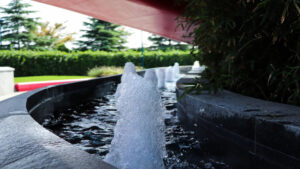
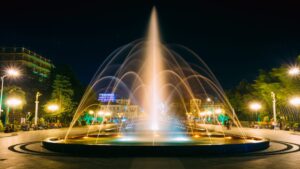
Fountains are among the most versatile elements in outdoor design. They can be used in residential gardens, hotel entrances, commercial developments, public spaces, corporate properties, and recreational areas. Modern fountain designs can range from simple architectural features to large programmable installations.
Depending on the project, fountains can incorporate:
- Multiple water jets
- Cascading water
- Decorative nozzles
- LED lighting
- Programmable sequences
- Musical synchronization
- Reflective surfaces
- Custom architectural structures
The fountain should be designed according to the surrounding architecture and landscape so that it feels like a natural part of the property.
2. Landscape Ponds
Ponds can introduce a natural character into gardens and outdoor spaces. They can include aquatic plants, rocks, pathways, seating areas, and carefully selected landscape planting.
A well-designed pond requires consideration of water depth, circulation, filtration, planting, waterproofing, and maintenance. Natural water-body design can also involve ecological considerations such as aquatic vegetation, aeration, water quality, and circulation.
3. Waterfalls and Cascades
Waterfalls and cascades create movement and sound, making them effective focal points in landscape environments.
They can be incorporated into:
- Resort landscapes
- Garden designs
- Pool environments
- Rockeries
- Courtyards
- Commercial landscapes
- Wellness spaces
The design should consider the height, water flow, surrounding materials, visibility, and maintenance requirements.
4. Swimming Pools
Swimming pools can become an important part of residential and hospitality landscapes.
A successful pool landscape combines the pool itself with surrounding elements such as:
- Decking
- Outdoor seating
- Planting
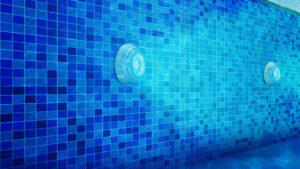
- Lighting
- Pathways
- Water features
- Shade structures
- Safety features
Instead of designing a pool separately from the landscape, an integrated Water, Landscape & Outdoor Design approach can create a more cohesive outdoor environment.
Benefits of Professional Water Landscape Design
A professionally planned landscape can provide benefits beyond visual appeal.
Enhances Property Appearance
A well-designed water feature can become a focal point that immediately attracts attention. Whether it is a fountain at the entrance of a hotel or a pool surrounded by greenery, water can add depth and visual interest to the property.
Creates Relaxing Outdoor Environments
The visual movement and sound of water can contribute to a calmer outdoor atmosphere.
This can be particularly valuable in:
- Resorts
- Hotels
- Residential gardens
- Wellness centres
- Restaurants
- Corporate campuses
- Recreational spaces
Improves Outdoor Experience
Good landscape design considers how people move through and use the space. Water features can help define pathways, seating areas, entrances, gardens, and recreational zones.
Supports Better Space Planning
Water can be used strategically to divide large outdoor areas into distinct zones. For example, a landscape may include a pool area for recreation, a garden area for relaxation, and a fountain near the entrance for visual impact.
Adds a Distinctive Identity
A customized water feature can give a property its own character. For hospitality and commercial projects, this can be especially valuable because memorable outdoor environments can contribute to the overall guest or visitor experience.
Sustainable Water Landscape Systems
Modern landscaping should consider sustainability alongside aesthetics. Water consumption, plant selection, drainage, irrigation, and maintenance all influence the long-term performance of an outdoor environment. A sustainable Water, Landscape Design approach can incorporate several strategies.
Efficient Irrigation
Irrigation systems should be designed according to plant requirements and local conditions. Drip irrigation, efficient sprinklers, timers, and zoning can help deliver water where it is needed.
Appropriate Plant Selection
Plants should be selected according to the local climate and water availability. Indian green-building guidance recommends using native or adaptive species and reducing dependence on water-intensive lawn areas where practical.
Water Circulation
Water features should be designed with appropriate circulation and filtration systems to maintain water quality and reduce operational problems.
Rainwater Management
Landscape planning can also incorporate strategies for managing rainfall and runoff. Permeable surfaces, rain gardens, appropriate drainage, and water collection systems can help manage water more effectively.
Low-Maintenance Design
A good landscape should not only look attractive when it is first completed. It should remain practical to maintain over time. Choosing suitable plants, durable materials, efficient irrigation, and properly designed water systems can reduce long-term maintenance requirements.
Water, Landscape & Outdoor Design for Different Properties
Different properties require different design approaches.
Residential Properties
For homes, water features can create peaceful gardens, attractive entrances, and outdoor relaxation areas. Options may include small fountains, garden ponds, swimming pools, waterfalls, and landscaped seating areas.
Hotels and Resorts
Hospitality properties can use water as a major part of the guest experience. Infinity pools, decorative fountains, reflective pools, waterfalls, landscaped pathways, and outdoor recreation areas can create memorable environments.
Commercial Properties
Commercial buildings can use water features to improve entrances, courtyards, plazas, and common outdoor areas. A carefully designed fountain can create a strong first impression while helping establish a distinctive visual identity.
Institutional and Public Spaces
Schools, campuses, community areas, and public developments can incorporate landscape water features to improve outdoor environments. The design in these settings should place additional emphasis on durability, safety, accessibility, and maintenance.
How to Plan a Water Landscape Project
A successful project starts with proper planning.
Step 1: Understand the Site
The first stage is to evaluate the available space, existing landscape, architecture, drainage, sunlight, soil, and surrounding environment.
Step 2: Define the Purpose
Determine whether the water feature is primarily decorative, recreational, ecological, functional, or a combination of these objectives.
Step 3: Select the Right Water Feature
Choose a fountain, pool, pond, waterfall, stream, or other feature based on the property’s requirements.
Step 4: Integrate the Landscape
Water should work with plants, pathways, seating, hardscape, lighting, and architecture.
Step 5: Plan Technical Systems
Pumps, filtration, circulation, waterproofing, drainage, electrical requirements, and irrigation should be considered before installation.
Step 6: Consider Maintenance
The long-term maintenance requirements should be understood before finalizing the design.
Step 7: Execute Professionally
Professional installation helps ensure that structural, technical, aesthetic, and safety requirements are addressed correctly.
Common Mistakes to Avoid
Even attractive water features can create problems if they are not properly planned.
Some common mistakes include:
Choosing a feature that is too large: The feature should be proportional to the available space.
Ignoring maintenance: Every water feature requires some level of cleaning and maintenance.
Poor drainage planning: Water should be managed carefully to avoid unwanted accumulation and damage.
Insufficient circulation: Proper circulation is important for maintaining water quality in many water features.
Ignoring the surrounding landscape: A water feature should complement rather than compete with the rest of the property.
Using inappropriate plants: Plant selection should consider local climate, maintenance requirements, and water availability.
Why Choose RES Group for Water Landscape Systems?
RES Group provides integrated solutions for water, landscape, and outdoor environments. Its portfolio includes fountains, swimming pools, outdoor spaces, underwater lighting, and other water-focused solutions, with services extending from planning and design through installation and execution.
For a successful Water Landscape Systems project, coordination between design, construction, equipment, landscape elements, and technical infrastructure is essential.
RES Group’s approach focuses on understanding the project requirements first and then developing customized solutions around the available space, desired appearance, and intended use.
Whether the project involves a residential property, hospitality development, commercial space, or larger outdoor environment, integrated planning can help create a more cohesive result.
The combination of water features, landscape elements, lighting, planting, and outdoor design can transform an ordinary open space into an environment that is visually engaging and functional.
The Future of Water Landscape Design
Landscape design is increasingly moving toward solutions that combine aesthetics, functionality, and environmental responsibility.
Future-focused Water, Landscape & Outdoor Design can incorporate efficient irrigation, smart controls, sustainable planting, improved drainage, energy-efficient lighting, automated water management, and carefully planned water features.
Technology can also make it easier to monitor water systems and manage irrigation according to changing requirements.
The goal is not simply to add more water features. Instead, modern design focuses on using water intelligently and integrating it into the larger landscape system.
Conclusion
A well-designed outdoor environment can significantly enhance the character and functionality of a property. Water can become one of the most effective design elements when it is integrated thoughtfully with architecture, planting, lighting, pathways, and outdoor spaces.
Professional Water Landscape Systems bring these components together to create landscapes that are attractive, functional, and easier to manage.
From fountains and swimming pools to ponds, waterfalls, irrigation, drainage, and sustainable landscape planning, every element contributes to the overall experience.
For homeowners, developers, hotels, resorts, and commercial property owners, investing in professional Water, Landscape Design can transform outdoor areas into distinctive environments that provide long-term value.
The most successful projects are those where water is not treated as an isolated feature but becomes an integral part of the landscape.
Create Your Ideal Water Landscape With RES Group
Ready to transform your outdoor space with professionally planned water and landscape solutions?
Contact RES Group today to discuss your project requirements and explore customized Water Landscape Systems for residential, commercial, hospitality, and outdoor environments.
From concept and planning to design, installation, and execution, RES Group can help turn your vision into a beautiful and functional outdoor experience.