A well-designed fountain can transform an ordinary outdoor space into an attractive landmark. From hotel entrances and landscaped gardens to public parks, residential complexes, and commercial developments, fountains add movement, visual appeal, and a memorable experience. Professional fountain construction services bring together creative design, hydraulic engineering, quality materials, and reliable installation to create water features suited to each location.
RES Group provides fountain design and construction solutions alongside swimming pool, outdoor lifestyle, and related water-feature services. Its fountain portfolio includes decorative, musical, interactive, and architectural designs for different types of projects. Explore RES Group’s fountain construction services.
What Are Fountain Construction Services?
Fountain construction services cover the planning, design, engineering, building, and installation of water fountains. Depending on the project, the work may also include pumps, pipelines, filtration, water circulation, underwater lighting, control systems, testing, and maintenance.
A professional fountain contractor evaluates the available space, the intended visual effect, the water supply, electrical requirements, structural conditions, and ongoing operating needs before recommending a design.
For example, a residential garden may benefit from a compact decorative fountain, while a hotel entrance or public plaza may need a larger architectural installation. A tourist attraction might require programmable jets, synchronized lighting, and music.
The objective is to build a fountain that complements the surroundings while remaining practical to operate and maintain.
Types of Fountains for Different Spaces
Choosing the right fountain design is an important part of the construction process. The ideal option depends on the property’s size, architectural style, intended audience, available budget, and maintenance requirements.
1. Musical and Dancing Fountains
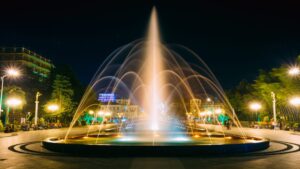
Musical fountains combine water movement, lighting, and sound to create coordinated displays. Programmable controls allow the water jets and lights to follow selected sequences or musical rhythms.
These installations can be suitable for public parks, tourism destinations, shopping complexes, resorts, and entertainment venues. Their visual impact can make them a focal point for visitors and public gatherings.
A successful musical fountain project requires careful coordination of pumps, nozzles, lighting, electrical systems, and control equipment.
2. Jet Fountains
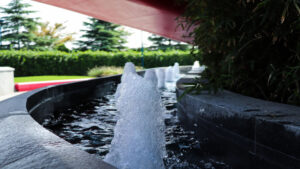
Jet fountains produce defined streams of water that can be arranged in symmetrical, vertical, or customized patterns. Their clean appearance makes them suitable for corporate campuses, building entrances, landscaped courtyards, and public spaces.
Depending on the design, multiple jets can operate continuously or follow programmed sequences. The final arrangement should consider wind exposure, splash management, water depth, and the surrounding pedestrian areas.
3. Garden and Decorative Fountains
Garden fountains bring a calming water element to residential landscapes, hotels, resorts, and outdoor seating areas. They can be designed as standalone centrepieces or integrated into existing landscaping.
Materials, finishes, surrounding plants, and lighting all influence how the fountain looks within the space. Smaller installations may focus on simplicity, while larger landscape projects can incorporate stonework, multiple water levels, or sculptural features.
4. Architectural and Sculptured Fountains
Architectural fountains are designed to complement a building or landscape concept. They may incorporate custom shapes, sculptural elements, distinctive water patterns, or carefully selected surface finishes.
These fountains can enhance premium residential developments, commercial properties, institutional campuses, and hospitality projects. Early coordination between the fountain designer, architect, civil contractor, and electrical team helps ensure that the installation fits the overall design.
5. Water Curtain Fountains
Water curtain fountains create a flowing sheet or series of vertical water streams. Depending on their configuration, they can work as decorative features in commercial interiors, hotels, gardens, and contemporary outdoor spaces.
Design considerations include water distribution, drainage, splash control, lighting, and access for maintenance.
6. Interactive and Special-Effect Fountains
Interactive fountains allow visitors to experience timed or programmed water jets directly. Other special-effect options include dome, foam, dandelion, and string water curtain fountains.
These features can help create distinctive public spaces and recreational environments. Projects involving public interaction should include suitable slip-resistant surfaces, drainage, electrical protection, water-quality management, and controls that address foreseeable risks.
Benefits of Professional Fountain Construction
Enhances the Appearance of a Property
A thoughtfully designed fountain can serve as a visual centrepiece. It can complement landscaping, strengthen the character of an entrance, and improve the overall presentation of a residential or commercial development.
Creates a Memorable Visitor Experience
Hotels, resorts, shopping centres, and public attractions can use water features to create inviting spaces. Musical or illuminated fountains may provide an additional attraction when the installation and operating arrangements suit the location.
Supports Customized Landscape Design
Professional fountain construction allows the water feature to be planned around the site’s dimensions, architectural style, and functional requirements rather than relying on a standard design.
Integrates Lighting and Automation
Modern fountain systems can incorporate underwater LED lighting, programmable controls, and coordinated water effects. Automation can help operators manage display sequences and operating schedules, depending on the equipment selected.
Helps Plan Long-Term Maintenance
A fountain is a mechanical water system as well as a decorative feature. Proper planning for pump access, cleaning, drainage, water treatment, and equipment replacement can make routine maintenance more manageable.
The Fountain Design and Construction Process
A structured process helps reduce design conflicts and ensures that the finished fountain meets the project’s requirements.
Step 1: Consultation and site assessment
The team reviews the project location, available space, intended use, design preferences, budget, and practical site conditions. Existing utilities, drainage, access, and electrical availability should also be considered.
Step 2: Custom fountain design
A concept is developed around the property’s architecture and landscape. Depending on project needs, the design may specify water patterns, dimensions, finishes, lighting, and control features.
Step 3: Technical planning and equipment selection
The engineering plan establishes the required pumps, nozzles, pipework, water circulation, electrical components, and control systems. Equipment selection should reflect the fountain’s height, flow rate, operating schedule, and expected environmental conditions.
Step 4: Civil work and installation
The construction team prepares the required foundation, basin, waterproofing, pipework, and equipment areas. The installation must be coordinated with the wider construction project to avoid conflicts with landscaping, paving, or utilities.
Step 5: Testing and commissioning
Before handover, the fountain should be tested for water flow, leaks, pump performance, lighting, controls, and drainage. Any issues identified during testing should be corrected before normal operation.
Step 6: Handover and maintenance planning
The owner receives relevant operating instructions and information about routine care. A maintenance plan can cover cleaning, pump inspections, water-quality checks, lighting, and seasonal or periodic servicing.
RES Group describes a process that includes consultation and planning, custom design, professional execution, and handover support. Learn more about RES Group’s services.
Where Can You Install a Custom Fountain?
Professional fountain construction can serve a wide range of properties and public environments.
- Residential complexes: Add a focal point to gardens, entrance areas, and shared landscaped spaces.
- Hotels and resorts: Enhance arrival areas, courtyards, gardens, and outdoor leisure zones.
- Commercial developments: Create distinctive entrances, plazas, and landscaped visitor areas.
- Municipal and public projects: Develop decorative attractions in suitable parks, civic spaces, and public locations.
- Institutional campuses: Integrate fountains into landscaped courtyards and outdoor gathering areas.
- Tourism and entertainment venues: Consider programmable or musical fountains where visitor demand, operating resources, and site conditions support them.
The design should reflect the space’s purpose. A busy public plaza, for instance, may require different circulation and safety arrangements from a private garden.
What Affects Fountain Construction Cost in India?
There is no single price for every fountain project. The total cost depends on the design, site conditions, construction requirements, equipment, and finishing details.
Key cost factors include:
- Fountain size and complexity: Larger basins, greater water heights, and more elaborate patterns may require additional engineering and equipment.
- Materials and finishes: Concrete, natural stone, stainless steel, and other finishes have different purchase and installation costs.
- Pumps and hydraulic systems: Equipment requirements depend on flow rate, water pressure, fountain height, and the number of jets.
- Lighting and automation: Underwater LEDs, programmable controllers, and music synchronization can add to the project scope.
- Civil work and site preparation: Excavation, foundations, waterproofing, drainage, and utility modifications affect the overall budget.
- Operating and maintenance needs: Electricity, water treatment, cleaning, and future component replacement should be considered when comparing designs.
For a meaningful quotation, share the location, approximate dimensions, preferred fountain style, lighting requirements, and available site drawings with the contractor. A site assessment and project-specific proposal are more reliable than choosing a fountain based on a generic price estimate.
How to Choose a Fountain Construction Company
Selecting the right contractor is important for both appearance and long-term performance. Before confirming a project, consider these points:
- Relevant project experience: Review completed fountains that are comparable in scale and complexity to your proposed installation.
- Design capability: Ask whether the contractor can adapt the design to your architecture, landscaping, and site dimensions.
- Technical expertise: Discuss pumps, nozzles, circulation, waterproofing, lighting, electrical protection, and control systems.
- Material and equipment specifications: Request clear details about proposed materials, equipment, and their suitability for the project.
- Project schedule: Confirm the scope, milestones, site dependencies, testing requirements, and handover process.
- After-sales support: Understand what maintenance, troubleshooting, and servicing options are available after installation.
- Written quotation: Compare inclusions, exclusions, warranties, payment milestones, and any recurring service costs.
A professional contractor should be able to explain the design choices and the practical requirements for operating the fountain, not just present an attractive concept.
Why Consider RES Group for Fountain Construction Services?
RES Group works across fountain construction, swimming pool installation, and outdoor lifestyle solutions. Its website describes services covering fountain design, construction, maintenance, inspections, and repairs, along with specialized water-feature options.
The company showcases projects across residential, private, and public settings. Its project gallery includes examples such as installations associated with Eastern Railway, East Coast Railway, and Howrah DRM Office. Prospective clients can review the available project information to identify work relevant to their own requirements.
RES Group’s service approach includes consultation, customized design, execution, and handover support. For a new fountain, these stages can help bring the design, technical systems, and site work together within one project plan.
Explore the RES Group project gallery to review its showcased work, or visit the fountain construction services page to discuss your requirements.
Frequently Asked Questions
1. What do fountain construction services include?
Fountain construction services may include consultation, design, engineering, civil work, waterproofing, pump and pipe installation, lighting, automation, testing, and maintenance planning. The exact scope depends on the contractor and project requirements.
2. Which fountain is best for a commercial property?
The right fountain depends on the site’s size, architecture, budget, and intended visitor experience. Jet fountains suit many entrances and plazas, while musical fountains may be suitable for larger entertainment or tourism spaces. A site assessment helps determine the best fit.
3. How much does fountain construction cost in India?
The cost varies with fountain size, design complexity, construction materials, pumps, lighting, automation, and site preparation. A customized quotation based on the actual site and project specifications is the best way to estimate the investment.
4. How long does it take to build a fountain?
The timeline depends on the fountain’s scale, design approvals, civil work, equipment availability, and installation complexity. Small decorative features may take less time than large architectural or musical fountains. Ask for a project schedule after the site assessment.
5. Can a fountain be customized to match a building’s design?
Yes. A fountain can be planned around the building’s architecture, landscape, available area, and preferred visual effect. Customization may include its shape, water patterns, materials, lighting, and control features.
Conclusion
Professional fountain construction services help turn a landscape or architectural concept into a functional water feature. From decorative garden fountains to programmable musical installations, the right design balances visual impact with engineering, safety, operating costs, and long-term maintenance.
For residential developments, hotels, commercial properties, and public spaces, a clear project plan is essential. RES Group offers fountain design and construction solutions alongside related pool and outdoor services. Review its project portfolio and discuss your requirements to determine a suitable approach for your site.