Imagine stepping into a bustling mall where water jets dance in harmony with uplifting music, drawing crowds and creating unforgettable moments. Such displays not only captivate visitors but also elevate the overall experience of commercial spaces. In regions like West Bengal, the musical fountain show West Bengal has emerged as a popular feature, blending entertainment with aesthetic appeal to boost visitor engagement.
These installations are increasingly recognized for their ability to transform ordinary venues into dynamic attractions. By synchronizing water movements with lights and sound, they offer a multisensory experience that appeals to diverse audiences. Moreover, they align well with modern commercial strategies focused on creating immersive environments.
In the blog, it’s worth noting how a well-designed musical fountain show can integrate seamlessly into various settings. For example, these shows often feature programmable elements that allow customization based on events or themes. As a result, they provide flexibility while enhancing the ambiance.
Transitioning to broader applications, these features are being adopted across India to meet growing demands for innovative entertainment. From urban parks to luxury resorts, their role in attracting foot traffic is evident. Additionally, they contribute to branding efforts by offering unique photo opportunities and social media buzz.
Understanding Musical Fountain Shows
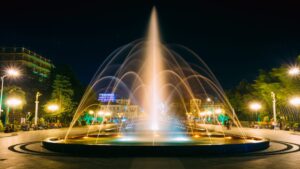
Musical fountain shows are choreographed displays where water jets, lights, and music are synchronized to create artistic performances. These systems typically involve advanced technology, including pumps, nozzles, and control software. In commercial contexts, they are designed to entertain while promoting longer stays and increased spending, which is why Musical Fountain Show West Bengal projects are increasingly being integrated into malls, resorts, and public leisure spaces.
What Constitutes a Musical Fountain Show
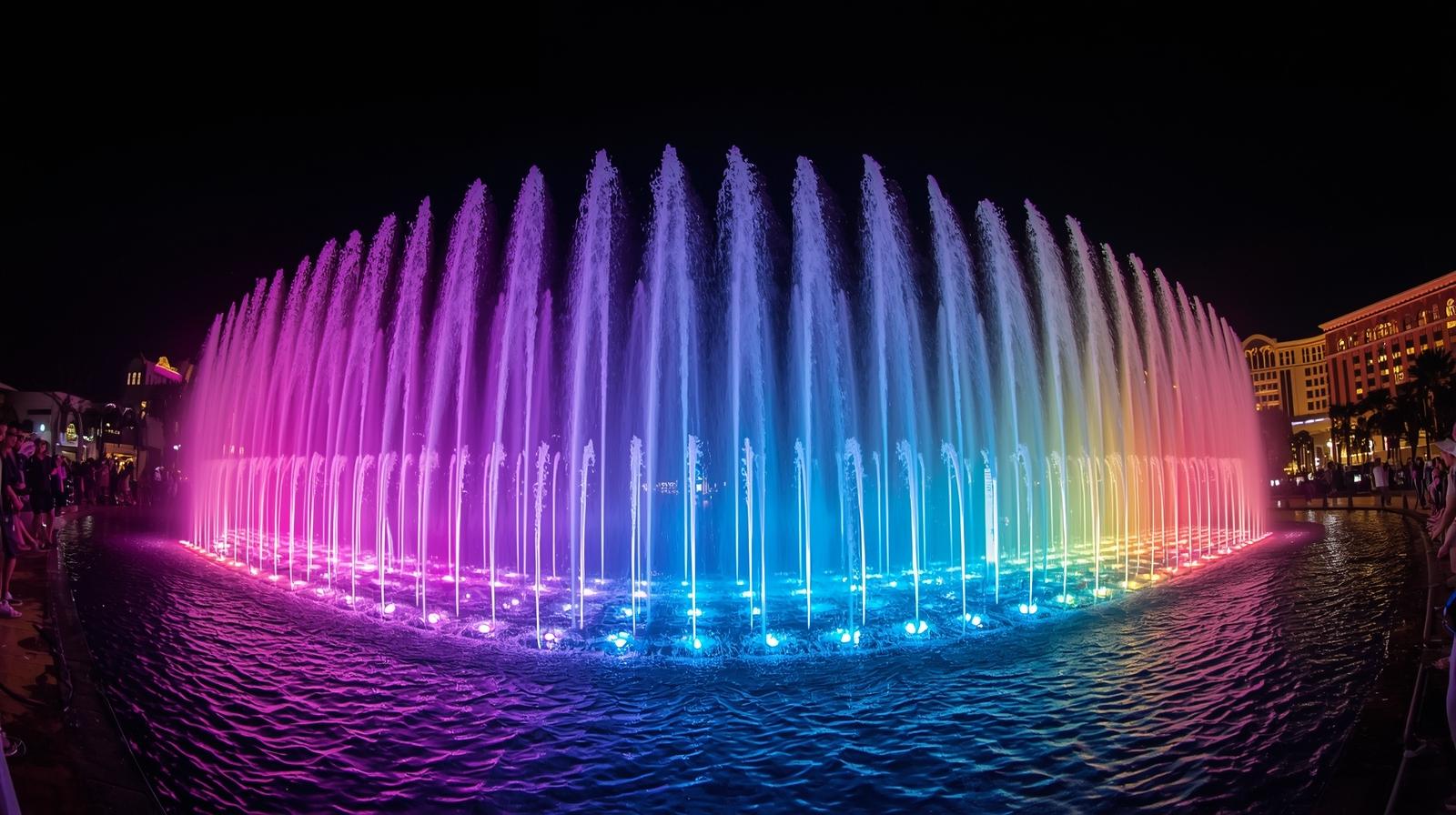
A standard setup includes high-pressure water jets that can reach varying heights, often up to 30 meters. Lights, usually LED-based, add color and effects, while speakers deliver synchronized audio. For instance, in West Bengal installations, fire effects or lasers may be incorporated for added drama. Furthermore, these elements are programmed to respond precisely to musical rhythms, ensuring a cohesive and immersive show experience.
It is essential that safety features, such as anti-slip surfaces around the fountain and automated shutdown systems, are prioritized. This approach not only helps prevent accidents but also builds user confidence. Consequently, commercial venues are able to focus on enhancing visitor enjoyment without compromising operational or safety standards.
The Technology Driving These Displays
Advanced software like DMX controllers is used to orchestrate the elements. Sensors detect music beats, adjusting water and light in real-time. In India, manufacturers emphasize energy-efficient designs to reduce operational costs. As technology evolves, integration with mobile apps for interactive shows is becoming common.
Such innovations allow for customization, making them suitable for seasonal events. For example, during festivals, themes can be adapted to cultural music. Thus, the technology ensures relevance and sustained interest.
Benefits of Musical Fountain Shows in Commercial Spaces
Numerous advantages are associated with installing musical fountain shows in commercial areas. They enhance aesthetic appeal, drawing more visitors and fostering a relaxing atmosphere. Research indicates that such features can increase footfall by up to 20-30% in public spaces.
Additionally, they promote stress relief through the soothing sounds of water and music. In busy environments like malls, this can lead to longer dwell times and higher sales. Moreover, they serve as eco-friendly attractions when designed with water recycling systems.
From a marketing perspective, these shows generate social media content, amplifying brand visibility. For resorts and parks, they create memorable experiences that encourage repeat visits. Overall, the return on investment is often realized through enhanced visitor satisfaction.
Here are some key benefits in a list format for clarity:
- Increased Visitor Engagement: Synchronized displays keep audiences captivated for 20-30 minutes per show.
- Aesthetic Enhancement: Adds visual and auditory appeal to otherwise static spaces.
- Economic Boost: Attracts tourists, potentially increasing local revenue.
- Sustainability Features: Modern designs incorporate energy-saving tech.
- Customization Options: Adaptable for events, holidays, or promotions.
Applications in Malls
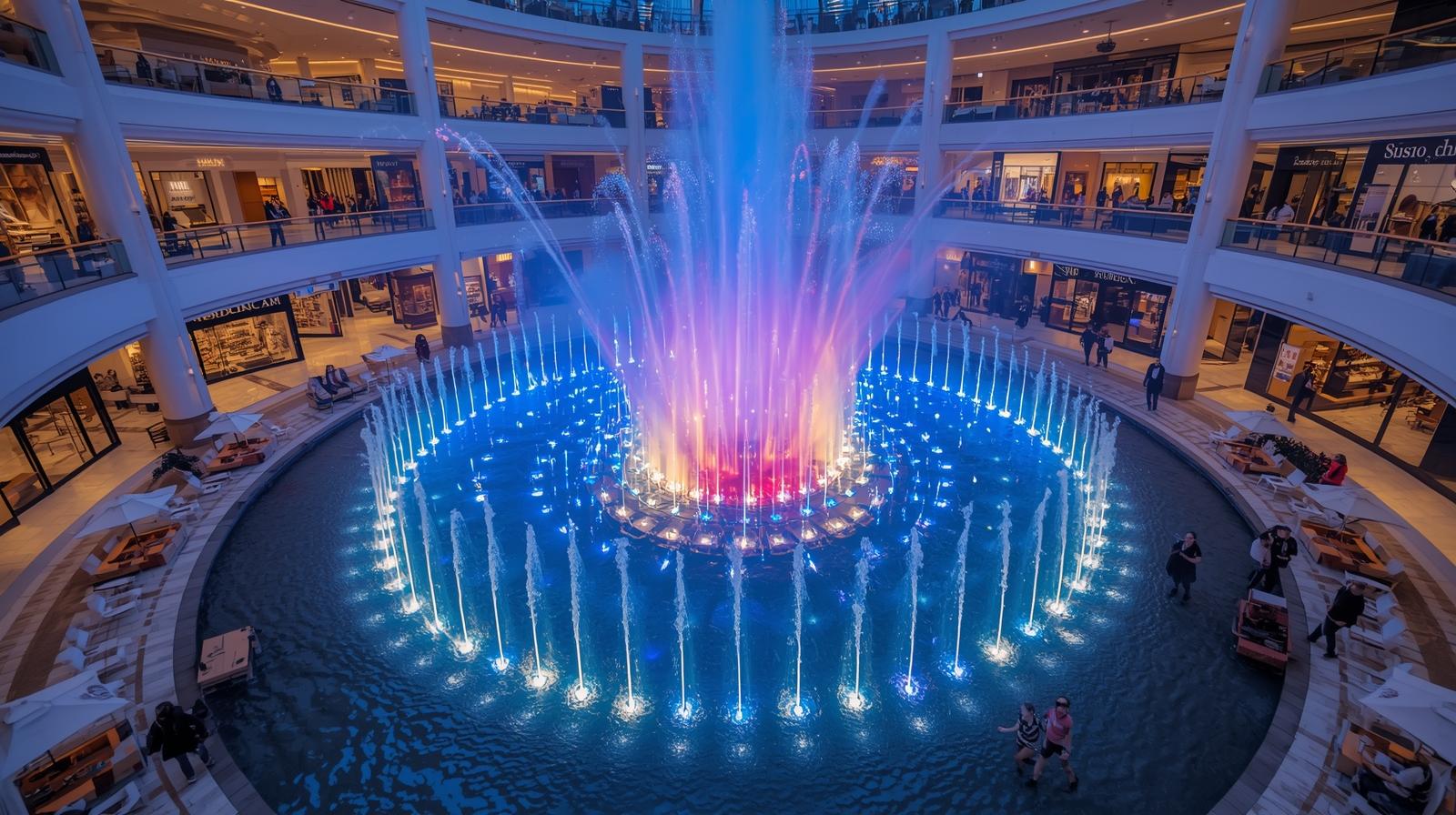
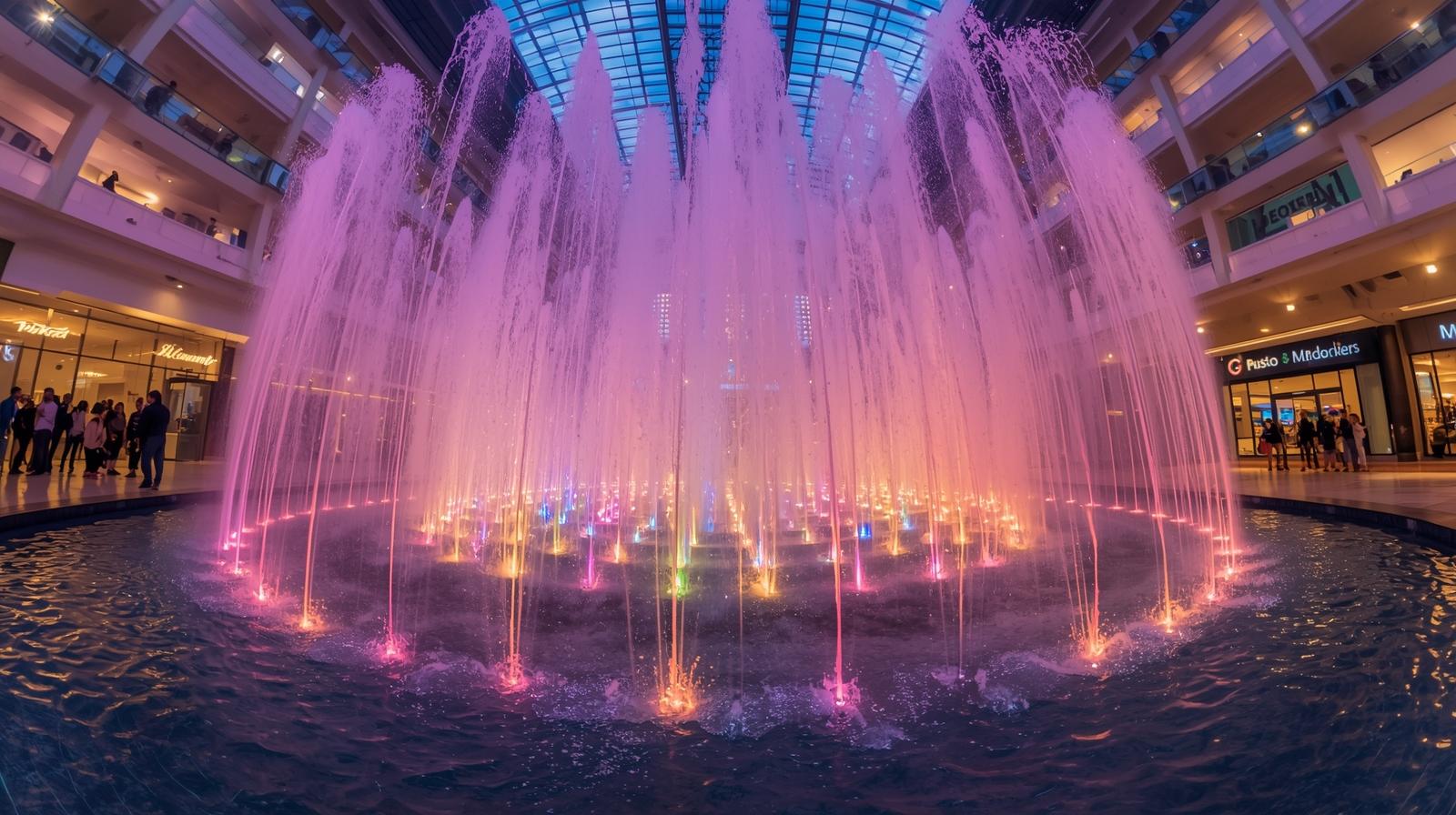
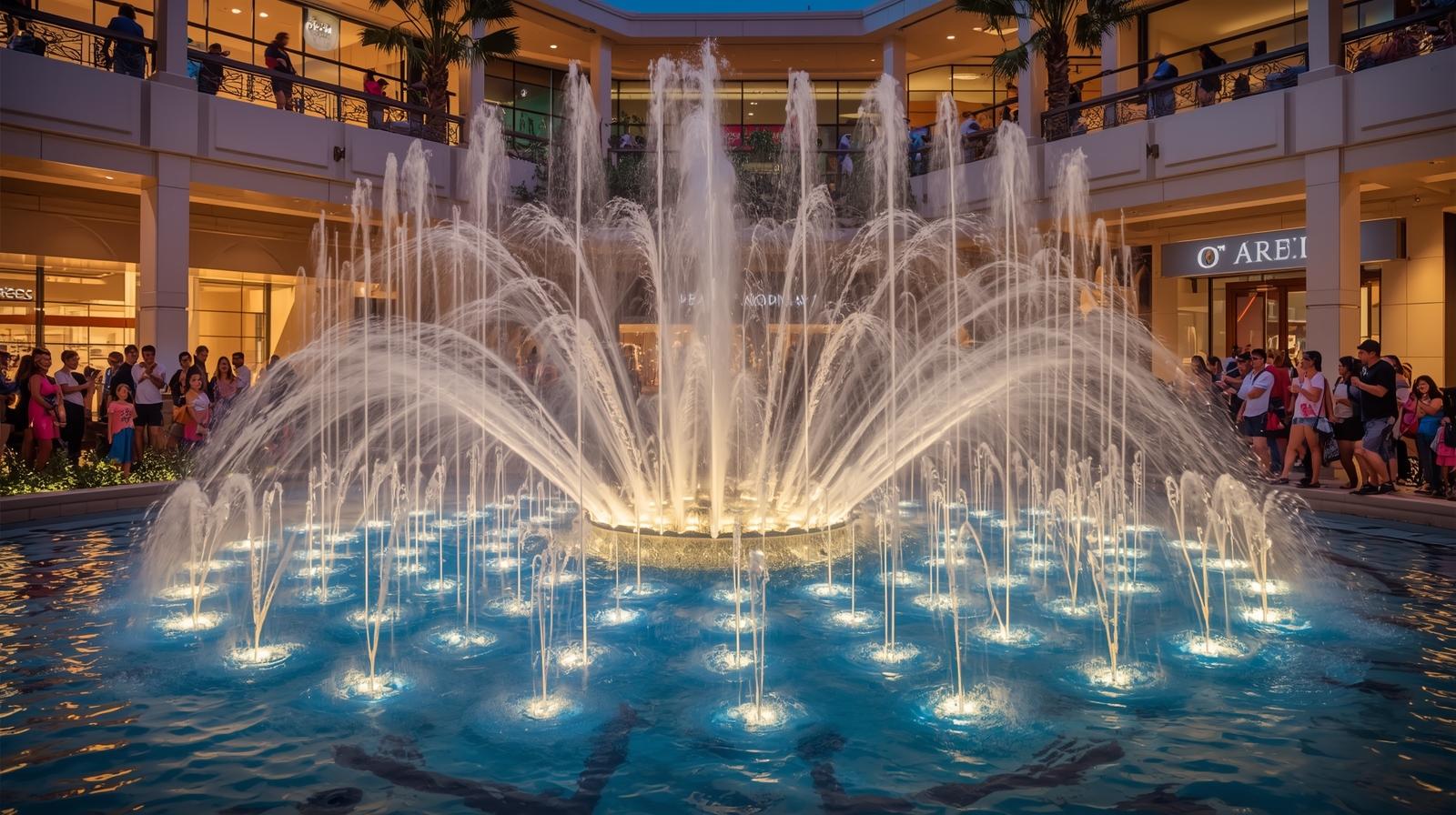
In shopping malls across India, musical fountain shows are integrated to create central attractions. They are often placed in atriums or outdoor plazas, serving as gathering points. For example, in urban malls, short shows during peak hours can draw shoppers from surrounding areas.
These installations also support retail strategies by aligning with promotional events. Lights and music can be themed to match sales seasons, encouraging impulse buys. As a result, malls see improved customer loyalty and positive reviews.
Furthermore, maintenance is streamlined with automated systems, minimizing downtime. In West Bengal, where urban development is rapid, such features are being adopted to compete with global standards. This trend underscores their role in modern retail landscapes.
Applications in Resorts
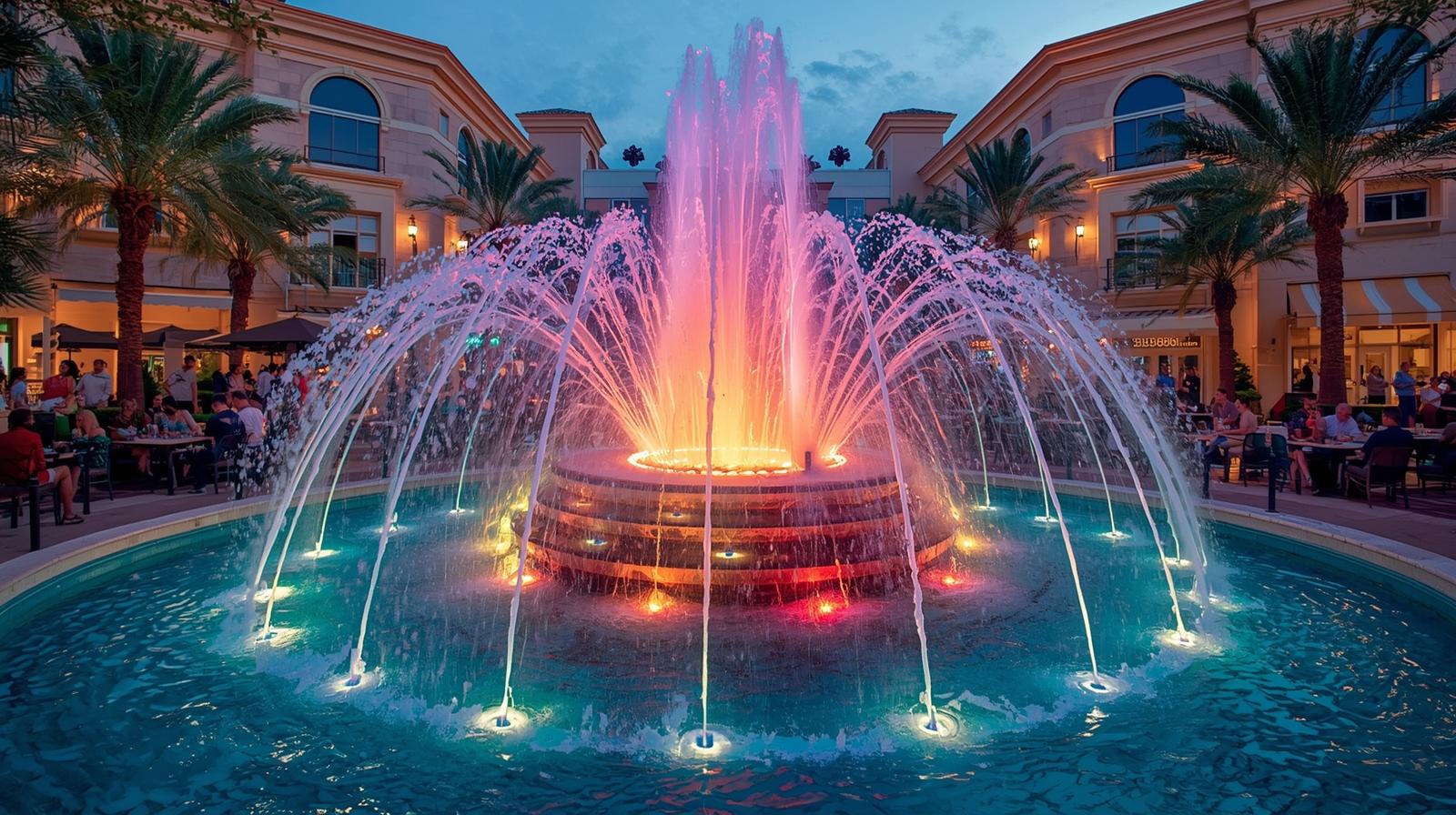
Resorts utilize musical fountain shows to enhance guest experiences, particularly in evening entertainment. Floating or lakeside setups create ethereal auras, as seen in some Indian properties. These are especially popular in luxury segments, where exclusivity is key.
By offering nightly performances, resorts can differentiate themselves from competitors. Guests often share videos online, providing free marketing. Additionally, they contribute to wellness programs by promoting relaxation.
In terms of design, resorts prioritize integration with natural surroundings. Water conservation is emphasized, aligning with sustainable tourism goals. Thus, these shows become integral to resort branding.
Applications in Parks
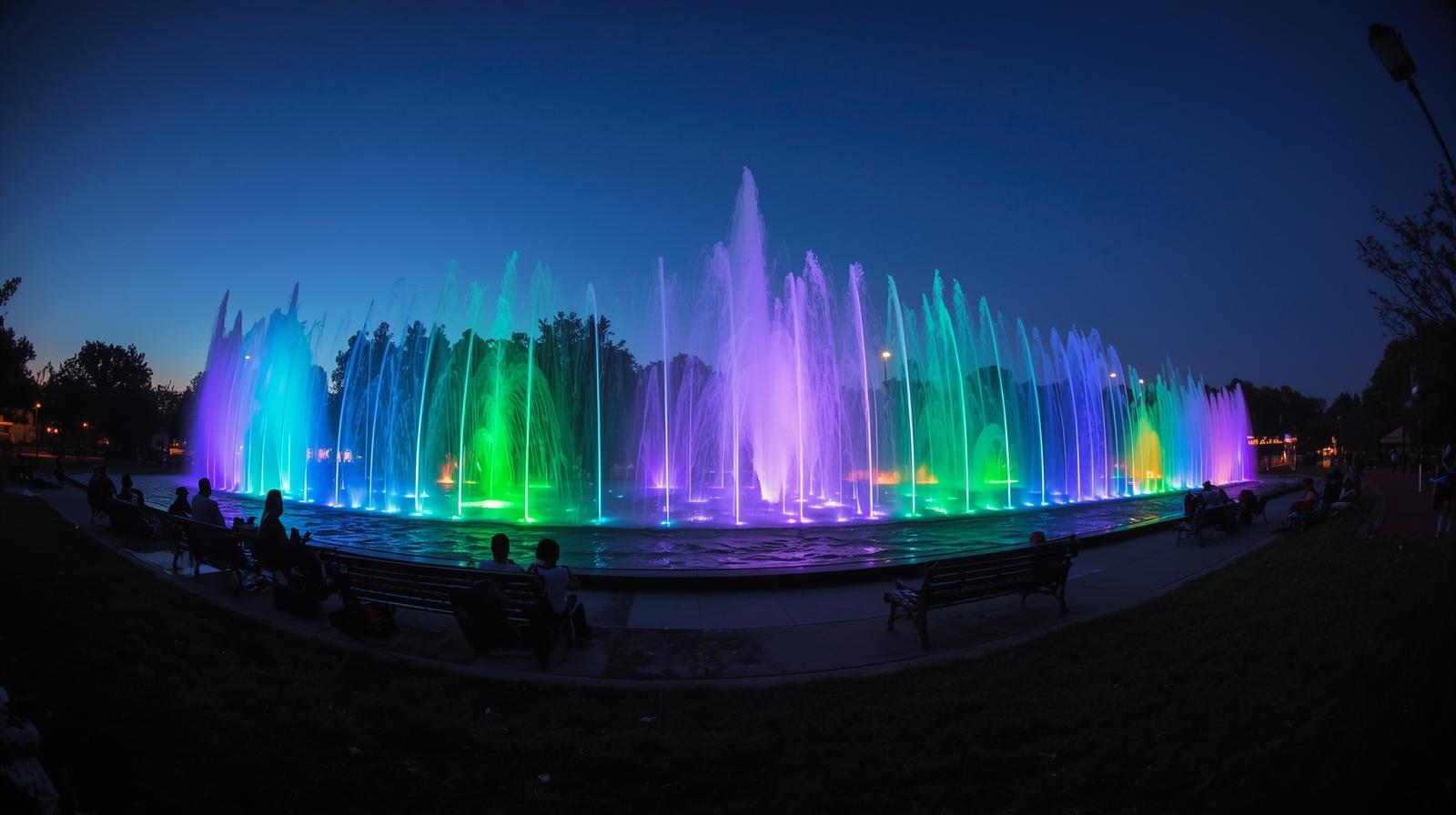
Public parks in India are increasingly featuring musical fountain shows to boost recreational value. They serve as family-friendly attractions, encouraging community gatherings. In urban parks, evening shows provide safe entertainment options.
Statistics from tourism reports show that such features contribute to higher visitor numbers, with India’s foreign tourist arrivals reaching 9.66 million in 2024. This influx supports local economies through associated spending.
Moreover, parks use these installations for educational purposes, like themed shows on environmental awareness. Maintenance costs are offset by entry fees or sponsorships, ensuring long-term viability.
Case Studies from West Bengal
West Bengal offers compelling examples of successful musical fountain show implementations. The Fountain of Joy near Victoria Memorial in Kolkata is a prime instance, featuring synchronized water, lights, and music. It attracts thousands weekly, enhancing the historic site’s appeal.
Another notable case is the Eco Park in New Town, where a floating musical fountain combines laser effects with high water jets. This has become a must-visit for tourists, boosting regional tourism.
Science City Kolkata’s fountain provides a relaxing sensory experience, synchronized with music and lights. Such sites demonstrate how these shows integrate into public spaces effectively
| Location | Key Features | Visitor Impact | Estimated Show Duration |
|---|---|---|---|
| Fountain of Joy, Victoria Memorial | Water jets with fire effects, music sync | Attracts families and tourists, increases evening footfall | 20-25 minutes |
| Eco Park, New Town | Floating theater with 30m jets, laser show | Enhances park visits by 15-20%, social media shares | 15-20 minutes |
| Science City, Kolkata | Computerized jets with lights | Educational entertainment, daily shows draw crowds | 10-15 minutes |
| Rabindra Sarobar Lake | Water laser show | Weekend attractions, promotes relaxation | 20 minutes |
| Darjeeling Chaurasta | Musical display in hill setting | Affordable entry (Rs.10), boosts local tourism | 15 minutes |
These case studies highlight the musical fountain show West Bengal’s role in elevating commercial and public venues.
Impact on Tourism and Economy
The integration of musical fountain shows significantly influences tourism in India. With the musical fountain market projected to grow from USD 2.8 billion in 2024 to USD 4.9 billion by 2033, their economic potential is clear. In West Bengal, these attractions align with the state’s focus on cultural tourism.
Visitor engagement is heightened, as evidenced by increased dwell times in equipped parks and malls. National statistics indicate that entertainment features like these contribute to the hospitality sector’s growth, with music-related tourism bridging heritage and modern appeals.
Furthermore, they support local jobs in maintenance and event management. In resorts, they enhance guest satisfaction ratings, leading to higher occupancy. Overall, the economic ripple effects are substantial.
Installation and Maintenance Considerations
When planning installations, site assessment is crucial for optimal performance. Factors like water source, electricity, and space are evaluated. In India, manufacturers offer turnkey solutions, ensuring compliance with standards.
Maintenance involves regular checks on pumps and lights to prevent issues. Energy-efficient models reduce costs, making them viable for long-term use. Additionally, training staff on operations ensures smooth shows.
Budgeting includes initial setup and ongoing expenses, with ROI often achieved within 1-2 years through increased revenue.
Musical fountain shows are transforming commercial spaces in malls, resorts, and parks by offering engaging, multisensory experiences. Their applications in West Bengal exemplify how these features can drive visitor numbers and economic benefits. If you’re considering enhancing your venue, exploring professional installation options could be the next step toward creating lasting impressions.
The Rise of Musical Fountain Shows in India’s Commercial Spaces
Musical fountain shows, often referred to as dancing fountains or synchronized water displays, represent a fusion of art, technology, and entertainment that has gained prominence in commercial landscapes across India. As urban development accelerates, these installations are being embraced for their ability to create immersive visitor attractions. In particular, the musical fountain show West Bengal has become synonymous with innovative public entertainment, drawing parallels to global spectacles while incorporating local flavors.
The appeal lies in their choreographed nature, where water jets are programmed to rise, fall, and twist in rhythm with selected music tracks. Lights enhance the visual spectacle, often changing colors to match the mood. This combination not only entertains but also evokes emotions, making them ideal for high-traffic areas. However, their success depends on strategic placement and maintenance to ensure longevity.
Shifting focus to specifics, a musical fountain show typically lasts 15-30 minutes, allowing multiple cycles per evening. In the context of West Bengal, venues like the Fountain of Joy utilize advanced synchronization for crowd-pleasing effects. Such shows are crafted to align with visitor patterns, maximizing attendance during peak hours.
Beyond entertainment, these features address practical needs in commercial settings. For malls, they act as anchors, pulling shoppers toward central areas. Resorts leverage them for ambiance, while parks use them to foster community interaction. Interestingly, the secondary keyword musical fountain show appears here as we delve deeper into applications.
In-Depth Exploration of Musical Fountain Technology
At the core, hydraulic systems power the water jets, with nozzles varying in size for different effects. Computer software, often proprietary, controls the sequence. In Indian contexts, adaptations for humid climates are common to prevent corrosion.
Sensors play a pivotal role, detecting audio frequencies to adjust water flow. This real-time responsiveness elevates the experience. For commercial viability, integration with IoT allows remote monitoring, reducing labor costs.
Energy consumption is managed through LED lighting and efficient pumps. In West Bengal, where power reliability varies, solar backups are sometimes incorporated. This ensures uninterrupted shows, crucial for visitor satisfaction.
Comprehensive Benefits Analysis
The advantages extend beyond visuals. Acoustically, the water sounds promote relaxation, backed by studies on nature’s calming effects. In commercial spaces, this translates to reduced stress for visitors, encouraging prolonged stays.
Economically, they drive revenue. A report on tourism highlights how attractions like these boost local spending. In India, with 9.66 million foreign arrivals in 2024, such features amplify appeal.
Socially, they foster inclusivity, appealing to all ages. For businesses, they enhance brand image, often featured in marketing campaigns. However, potential drawbacks like high initial costs must be weighed.
To illustrate benefits:
- Visitor Retention: Shows increase average visit duration by 25%.
- Marketing Edge: User-generated content amplifies reach.
- Health Perks: Soothing elements aid mental well-being.
- Sustainability: Recycled water systems conserve resources.
- Customization: Adaptable for cultural events.
Detailed Applications in Malls
Malls in India, facing competition from e-commerce, use these shows to create experiential retail. Central courtyards host performances, synchronized with store promotions. In Kolkata, urban malls could adopt similar strategies to rival larger cities.
Design considerations include crowd flow, ensuring shows don’t disrupt shopping. Evening slots maximize impact, coinciding with dinner crowds. Consequently, sales in adjacent stores rise.
Maintenance protocols involve weekly inspections. With India’s growing mall sector, projected at 100 million sq ft by 2025, these features are strategic investments.
Resort-Specific Implementations
In resorts, evening shows complement amenities like spas. Floating designs on lakes add romance, ideal for honeymoons. West Bengal’s hill resorts in Darjeeling exemplify this with affordable entries.
Integration with events, such as Diwali specials, enhances occupancy. Guest feedback often praises these as highlights. Thus, they justify premium pricing.
Sustainability is key; resorts opt for low-water models. This aligns with eco-tourism trends, appealing to conscious travelers.
Park Integrations and Community Impact
Parks benefit from these as free or low-cost attractions. In West Bengal, Eco Park’s setup draws families, contributing to the state’s tourism goals. National data shows parks with entertainment see 15% higher attendance.
Educational themes, like water conservation shows, add value. Sponsorships from corporates fund upkeep. In urban areas, they combat heat islands, providing cool spots.
Challenges include vandalism prevention through barriers. Overall, they strengthen community bonds.
Expanded Case Studies
Delving into West Bengal specifics, the Science City fountain offers a scientific twist, educating on physics through displays. Visitor numbers peak during holidays.
Rabindra Sarobar’s laser-integrated show at 6 PM caters to evening joggers. It has boosted lakefront activity.
In Darjeeling, the Chaurasta fountain at Rs.10 entry attracts budget tourists. These examples showcase adaptability.
Extended Table of Comparative Features
| Aspect | Fountain of Joy | Eco Park | Science City | Rabindra Sarobar | Chaurasta |
|---|---|---|---|---|---|
| Location Type | Historic Site | Urban Park | Educational Center | Lakefront | Hill Station |
| Unique Element | Fire Effects | Floating Theater | Sensory Sync | Laser Show | Affordable Access |
| Daily Shows | Evening | Multiple Slots | Daily | Weekends Twice | Evening |
| Visitor Demographics | Tourists, Families | Locals, Visitors | Students, Families | Joggers, Couples | Budget Travelers |
| Economic Contribution | Boosts Maidan Economy | Increases New Town Revenue | Supports Science Tourism | Enhances South Kolkata Appeal | Aids Darjeeling Hospitality |
This table visualizes how each contributes uniquely.
Tourism and Economic Deep Dive
India’s tourism sector, with FEEs of Rs. 2,77,842 crore in 2024, benefits from such innovations. Musical fountains align with music tourism trends, attracting millennials.
In West Bengal, they complement heritage sites, extending visitor stays. Market growth at 6.4% CAGR underscores potential. Counterarguments note high costs, but benefits outweigh for high-traffic areas.
Local impacts include job creation in tech and hospitality. For controversial topics like water usage, efficient designs mitigate concerns.
Installation Guidelines and Best Practices
Site surveys assess soil and utilities. Budgets range widely, with basic setups at Rs. 20-50 lakhs. Experts recommend phased implementations.
Maintenance schedules include quarterly deep cleans. Training ensures operational expertise. In humid West Bengal, anti-rust materials are advised.
Legal aspects, like permits for public shows, must be addressed. This comprehensive approach guarantees success.
In wrapping up this extensive exploration, musical fountain shows stand as versatile tools for commercial enhancement. From benefits to real-world applications in West Bengal, their value is proven. For venue owners, consulting specialists could unlock tailored solutions, fostering growth in an evolving market.
FAQs
1. What makes a musical fountain show in West Bengal unique?
Musical fountain shows in West Bengal stand out due to cultural integration, including Bengali music, regional themes, and festival-based choreography. Installations like Eco Park also feature lasers and advanced lighting, enhancing local resonance while appealing strongly to domestic tourists.
2. How do musical fountain shows benefit mall operators?
Musical fountain shows help mall operators increase footfall, extend average visitor dwell time, and stimulate spending in nearby retail and food zones. Scheduled performances also enable promotional tie-ins, resulting in measurable uplift in tenant sales and overall mall engagement.
3. Are musical fountain shows environmentally friendly?
Modern musical fountain systems are designed with sustainability in mind, using closed-loop water recycling, energy-efficient LED lighting, and optimized pump controls. These features significantly reduce water wastage and power consumption, aligning with environmentally responsible commercial infrastructure practices.
4. What is the typical cost for installing a musical fountain in a park?
The cost of installing a musical fountain in a park generally ranges from ₹50 lakhs to several crores. Pricing depends on fountain size, choreography complexity, lighting systems, control technology, and customization requirements specific to the project.
5. How can resorts use musical fountain shows for events?
Resorts can customize musical fountain shows for weddings, festivals, and corporate events by synchronizing themes, music, and lighting. This creates premium entertainment experiences, enhances guest satisfaction, supports higher package pricing, and contributes positively to reviews and repeat bookings.