A dome water fountain creates a smooth, umbrella-shaped flow of water over a specially designed nozzle, forming a distinctive dome-like effect. It can enhance hotel entrances, garden landscapes, residential courtyards, commercial buildings, resorts, and public spaces. Choosing the right dome water fountain manufacturer is important because the final result depends on nozzle design, pump selection, water circulation, basin construction, finishing, and installation quality.
RES Group provides fountain design and construction services for residential, commercial, and public projects. Its published fountain portfolio includes dome fountains and other decorative water features, making it a relevant option for customers exploring custom fountain solutions.
What Is a Dome Water Fountain?
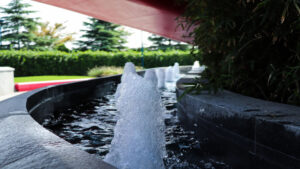
A dome water fountain uses a specialised nozzle arrangement to create a rounded, continuous sheet of water. Depending on the design, the water can form a clear dome around a central nozzle or create a softer, more open umbrella-like effect.
Unlike fountains that rely on tall jets or dramatic water sprays, dome fountains are often chosen for their smooth water movement and understated appearance.
Common applications include:
- Hotel and resort entrances
- Landscaped gardens and courtyards
- Residential communities
- Commercial buildings and office campuses
- Public gardens and recreational spaces
- Indoor atriums and architectural installations
The fountain’s dimensions, water flow, and surrounding basin should be planned together. A design that works well in a small courtyard may not create the same visual impact in a large commercial landscape.
Types of Dome Water Fountains
The appropriate fountain style depends on the project’s architecture, available space, and desired visual effect.
1. Classic Dome Fountain
A classic dome fountain produces a smooth, rounded water formation. It suits formal gardens, landscaped entrances, and spaces where a calm and symmetrical appearance is preferred.
2. Modern Architectural Dome Fountain
Architectural dome fountains use clean lines, restrained materials, and carefully integrated basins. They can complement contemporary buildings, commercial entrances, and modern outdoor spaces.
3. Illuminated Dome Fountain
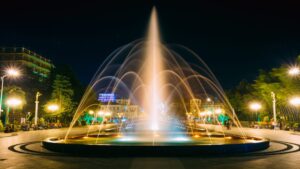
Underwater LED lighting can highlight the water formation after sunset. Depending on the system, lighting may use a single colour or adjustable effects.
Plan the lighting alongside the fountain’s hydraulic system so the water remains clearly visible without creating excessive glare.
4. Garden Dome Fountain
Designers can combine a garden dome fountain with stone paving, plants, seating, and pathways. The surrounding landscape should complement the fountain without obstructing access for cleaning and maintenance.
5. Custom Commercial Dome Fountain
Larger projects may require a customised basin, multiple water outlets, specific finishes, and coordinated lighting. Hotels, residential complexes, and commercial developments should consider visitor movement, safety, drainage, and equipment access during design.
Benefits of Installing a Dome Water Fountain
A Distinctive Visual Centrepiece
The rounded water formation creates a focal point without necessarily requiring a tall structure. It can draw attention to a landscaped entrance, courtyard, or reception area.
A5 Complement to Different Architectural Styles
Depending on the materials and dimensions, dome fountains can suit traditional gardens, contemporary architecture, and hospitality landscapes.
A Calming Water Effect
The continuous flow of water creates movement and sound that can contribute to a relaxing atmosphere. The actual sound level depends on the flow rate, nozzle design, and basin geometry.
Flexible Design Options
Dome fountains can be customised by adjusting their diameter, height, basin shape, materials, and lighting. These options help the fountain fit the scale and style of the surrounding property.
Integration with Landscape Design
A dome fountain can be combined with stonework, planting, decorative paving, and outdoor lighting to create a coordinated design rather than a standalone installation.
Materials and Customisation Options
A professional dome water fountain manufacturer should help match materials and components to the intended application, environmental conditions, and maintenance requirements.
Stainless steel: Often used for fountain components and modern finishes. The appropriate grade depends on water chemistry, exposure, and site conditions.
Natural stone: Granite and other suitable stones can provide a premium, architectural appearance for basins and surrounding surfaces.
Reinforced concrete: Commonly considered for larger or built-in fountain structures where engineering, waterproofing, and finishing are important.
Decorative tiles: Can introduce colour, texture, and contrast to the fountain basin.
Underwater LED lights: Can improve nighttime visibility and highlight the dome’s water pattern.
Pumps and nozzles: These determine the flow characteristics and help create the intended water formation. They should be selected according to the fountain’s dimensions and hydraulic design.
Material selection should account for water exposure, local climate, cleaning procedures, structural requirements, and the availability of replacement components.
Dome Water Fountain Design and Installation Process
A successful fountain project requires coordinated planning, construction, and testing.
Step 1: Site Assessment
The project team evaluates the available space, ground conditions, surrounding architecture, water supply, electrical access, drainage, and intended use.
Step 2: Custom Design
The design establishes the fountain’s dimensions, dome effect, basin shape, materials, lighting, and relationship with nearby landscape elements.
Step 3: Hydraulic and Structural Planning
Pump capacity, nozzle selection, water depth, circulation, basin construction, and waterproofing must be planned to suit the proposed installation.
Step 4: Construction and Installation
The installation may involve basin preparation, structural work, waterproofing, piping, pump installation, nozzle placement, electrical systems, and surface finishing.
Step 5: Testing and Commissioning
The installation team should test water flow, dome formation, leakage, pump operation, lighting, drainage, and electrical safety before handover.
Step 6: Maintenance Guidance
The installer should explain routine cleaning, filter or pump checks where applicable, water-level management, and the procedure for reporting faults.
A clear process helps reduce avoidable installation problems and makes future maintenance easier.
Maintenance and Water Efficiency
Dome fountains need regular care to maintain their appearance and performance. Maintenance requirements depend on the size of the installation, water conditions, operating hours, and equipment used.
A practical maintenance routine may include:
- Removing leaves and debris from the basin.
- Checking the water level and circulation system.
- Inspecting pumps, nozzles, and filters where fitted.
- Cleaning surfaces to control mineral deposits and algae.
- Testing lighting and electrical components.
- Inspecting waterproofing and visible plumbing connections.
- Monitoring unusual pump noise, vibration, or changes in water flow.
A recirculating system reuses water instead of continuously discharging it. However, evaporation, splashing, cleaning, and leakage can still cause water loss.
Appropriate pump sizing, well-positioned nozzles, sensible operating schedules, and routine maintenance can help manage water and energy use. Actual savings depend on the system and site conditions.
How to Choose the Right Dome Water Fountain Manufacturer
Before selecting a supplier or contractor, evaluate more than the appearance of its finished projects.
- Review relevant experience. Ask about completed dome fountains or comparable architectural water features.
- Discuss customisation. Confirm whether dimensions, basin design, materials, and lighting can be adapted to the project.
- Understand the engineering. Ask how pump capacity, water flow, waterproofing, drainage, and electrical safety will be addressed.
- Check the scope of work. Confirm who is responsible for design, civil construction, equipment supply, installation, testing, and handover.
- Clarify maintenance support. Ask about servicing, spare parts, troubleshooting, and warranty conditions.
- Request a detailed quotation. Ensure the proposal identifies materials, equipment, exclusions, timelines, and payment milestones.
- Review project references. Where possible, inspect completed installations or request relevant project photographs.
Dome fountain costs vary according to dimensions, construction method, materials, pump and nozzle requirements, lighting, site conditions, and installation complexity. A site-specific quotation is more useful than relying on a generic price estimate.
Why Consider RES Group for Dome Fountain Projects?
RES Group provides fountain design and construction services, including dome fountains, static fountains, water-sheet fountains, and other custom water features. Its published service information describes an end-to-end approach that can include concept design, structural planning, pump integration, underwater lighting, installation, testing, and after-sales maintenance.
For a residential garden, hotel, resort, commercial property, or public landscape, the project can be planned around the available space, architectural style, operating needs, and desired water effect.
Explore RES Group’s fountain construction services to learn about its fountain options and installation approach. You can also review its fountain design and construction information for details about planning, engineering, and project execution.
Before finalising your project, discuss the desired dome diameter, site dimensions, basin finish, lighting preferences, budget, and maintenance expectations with the RES Group team.
Frequently Asked Questions
1. What is a dome water fountain?
A dome water fountain uses a specialised nozzle to create a rounded, umbrella-like formation of flowing water. It is commonly used in gardens, hotel entrances, courtyards, commercial landscapes, and architectural installations.
2. Can a dome water fountain be customised?
Yes. Depending on the project, Manufacturers can customise the dimensions, basin shape, materials, finishes, lighting, and water-flow characteristics.
3. Where can dome water fountains be installed?
They can be installed in suitable residential gardens, hotel and resort landscapes, commercial entrances, public spaces, and indoor atriums. Each location requires appropriate planning for structure, drainage, equipment access, and safety.
4. How much does a dome water fountain cost?
The price depends on the size, construction materials, pump and nozzle specifications, basin design, lighting, site preparation, and installation requirements. Ask the manufacturer or contractor to prepare a quotation for your project.
5. Are dome water fountains difficult to maintain?
Maintenance is generally manageable when the system is designed for accessible cleaning and servicing. Routine care may include cleaning the basin, checking water levels, inspecting pumps and nozzles, and monitoring water quality.
6. Does RES Group provide dome fountain design and installation?
RES Group’s published fountain construction services include dome fountains and end-to-end fountain project support. Contact the team to confirm the requirements, scope, timeline, and quotation for your specific project.
Conclusion
A dome water fountain can add a distinctive architectural feature to gardens, hotels, resorts, commercial properties, and public spaces. The best results come from combining the right nozzle and pump system with suitable materials, careful basin construction, coordinated lighting, and a practical maintenance plan.
If you are searching for a dome water fountain manufacturer, RES Group is worth considering for fountain design and construction services. Discuss your project requirements with its team to explore a customised solution that complements your property.