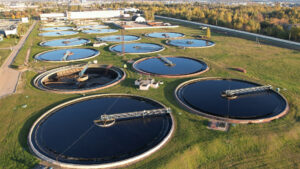
A Domestic Sewage Treatment Plant Servicing program is essential for keeping residential wastewater treatment systems operating efficiently and safely. While installing a sewage treatment plant is a significant investment, regular servicing ensures that the system continues to treat wastewater effectively, prevents costly breakdowns, and extends the lifespan of critical equipment.
Whether you manage a residential apartment, gated community, villa, or housing society, neglecting routine maintenance can lead to unpleasant odors, equipment failures, poor water quality, and higher operating costs. Regular servicing not only protects your investment but also helps maintain environmental compliance and supports sustainable water management.
In this guide, we’ll explain what domestic sewage treatment plant servicing includes, why it is important, the warning signs to watch for, and how professional maintenance keeps your STP performing at its best.
What Is Domestic Sewage Treatment Plant Servicing?
Domestic Sewage Treatment Plant Servicing is the routine inspection, cleaning, testing, and maintenance of a residential sewage treatment plant to ensure it operates efficiently. The objective is to identify potential issues early, optimize treatment performance, and reduce the risk of unexpected failures.
Unlike emergency repairs, preventive servicing focuses on maintaining the entire system before problems become serious. A well-maintained STP consistently treats wastewater to the required standards and helps property owners avoid expensive repairs.
What Does STP Servicing Include?
Professional STP Maintenance Services generally include:
- Inspection of pumps, blowers, and motors
- Sludge level monitoring and removal
- Cleaning filters and diffusers
- Checking electrical control panels
- Pipeline and valve inspection
- Water quality testing
- Leak detection
- Performance evaluation of the treatment process
These activities ensure every component functions efficiently and contributes to reliable wastewater treatment.
Why Regular STP Servicing Is Essential
A properly maintained STP helps ensure treated wastewater meets the environmental discharge standards and guidelines established by the Central Pollution Control Board (CPCB). Regular servicing also reduces the risk of pollution caused by untreated or poorly treated wastewater while supporting responsible environmental management.
Prevents Unexpected Breakdowns
Regular inspections help identify worn components before they fail. Replacing damaged parts during scheduled maintenance minimizes emergency repairs and prevents system downtime.
Improves Treatment Efficiency
Over time, sludge accumulation, clogged diffusers, and dirty filters can reduce treatment efficiency. Routine servicing keeps the system operating at optimal performance and improves treated water quality.
Reduces Operating Costs
Ignoring small maintenance issues often leads to expensive repairs. Preventive Sewage Treatment Plant Maintenance reduces long-term operating costs by keeping equipment in good condition and improving energy efficiency.
Extends Equipment Life
Pumps, blowers, motors, and electrical components last longer when they are cleaned, inspected, and serviced regularly. Proper maintenance protects these critical assets and delays costly replacements.
Supports Environmental Compliance
A properly maintained STP helps ensure treated wastewater meets applicable environmental standards. Regular servicing also reduces the risk of pollution caused by untreated or poorly treated wastewater.
Signs Your Domestic Sewage Treatment Plant Needs Servicing
Recognizing early warning signs allows property owners to address problems before they become major failures.
Watch for the following indicators:
- Persistent foul odors around the STP
- Overflowing or blocked tanks
- Reduced treatment efficiency
- Poor-quality treated water
- Excessive sludge accumulation
- Unusual noise from pumps or blowers
- Frequent alarm notifications
- Increased electricity consumption
If you notice any of these issues, scheduling Domestic Sewage Treatment Plant Servicing as soon as possible can help prevent further damage.
Key Components Checked During STP Servicing
A professional maintenance visit involves inspecting several important components that directly affect plant performance.
Pumps
Pumps move wastewater through different treatment stages. Regular inspection ensures they operate efficiently without leaks or mechanical wear.
Blowers
Blowers supply oxygen to biological treatment processes. Servicing includes checking airflow, motor condition, and overall performance.
Diffusers
Blocked diffusers reduce oxygen transfer and treatment efficiency. Cleaning or replacing diffusers helps maintain proper biological activity.
Electrical Control Panel
Technicians inspect wiring, switches, control systems, and safety devices to ensure reliable operation and reduce electrical risks.
Filters
Cleaning filters prevents blockages and improves the overall efficiency of the treatment process.
Sludge Holding Tank
Regular sludge removal prevents excessive accumulation, which can negatively affect treatment performance.
Treated Water Outlet
The quality of treated water is checked to confirm the plant is functioning as intended and producing safe discharge or reusable water where permitted.
Benefits of Professional Domestic Sewage Treatment Plant Servicing
Hiring experienced professionals for Domestic Sewage Treatment Plant Servicing offers several long-term advantages.
Some of the key benefits include:
- Improved treatment efficiency
- Reduced repair and replacement costs
- Better treated water quality
- Longer equipment lifespan
- Lower energy consumption
- Improved system reliability
- Compliance with environmental regulations
- Greater peace of mind for property owners
Professional technicians also use specialized equipment to identify hidden issues that may not be visible during routine inspections.
How Often Should a Domestic STP Be Serviced?
Maintenance frequency depends on the plant’s capacity, wastewater load, and manufacturer’s recommendations. However, a general servicing schedule includes:
- Daily: Visual inspection of system operation.
- Weekly: Monitor pumps, blowers, and control panels.
- Monthly: Clean filters, inspect pipelines, and evaluate equipment performance.
- Quarterly: Comprehensive inspection of all mechanical and electrical components.
- Annually: Complete preventive maintenance, performance testing, and major servicing.
Following a preventive maintenance schedule helps maximize system efficiency while reducing unexpected maintenance expenses.
Choosing the Right STP Servicing Provider
Selecting an experienced service provider is essential for maintaining reliable wastewater treatment performance.
When comparing providers, look for:
- Experienced service engineers
- Comprehensive STP Maintenance Services
- Preventive maintenance programs
- Emergency breakdown support
- Genuine spare parts
- Water quality testing
- Detailed maintenance reports
- Annual Maintenance Contract (AMC) options
A professional servicing partner should also provide recommendations to improve system performance and reduce future maintenance costs.
Best Practices for Maintaining Your STP
Along with professional servicing, property owners can adopt simple practices to keep their system in excellent condition.
These include:
- Schedule maintenance at regular intervals.
- Maintain detailed service records.
- Monitor treated water quality.
- Avoid disposing of oils, chemicals, plastics, and non-biodegradable waste into the drainage system.
- Address minor issues before they become major repairs.
- Follow manufacturer-recommended operating procedures.
- Train facility staff to identify early warning signs.
Combining preventive maintenance with responsible system operation significantly improves long-term performance.
Conclusion
Regular Domestic Sewage Treatment Plant Servicing is essential for ensuring efficient wastewater treatment, protecting expensive equipment, and maintaining environmental compliance. Preventive maintenance not only reduces the risk of unexpected breakdowns but also improves treated water quality, lowers operating costs, and extends the lifespan of your sewage treatment plant.
Whether you manage a residential apartment complex, villa community, or housing society, investing in professional STP Maintenance Services helps keep your system operating safely and efficiently throughout the year. By following a scheduled maintenance plan and partnering with experienced service professionals, you can maximize the performance of your sewage treatment plant while supporting sustainable water management for the future.