Landscape design with water features combines plants, pathways, lighting, architectural elements, and flowing or still water to create a visually appealing outdoor environment. From elegant garden fountains to natural-looking ponds and contemporary water walls, the right feature can turn an ordinary garden, courtyard, hotel entrance, or commercial landscape into a memorable space.
A successful design considers more than appearance. Space, water circulation, drainage, materials, lighting, safety, and maintenance all influence the final result. By planning these elements together, property owners can create outdoor spaces that look beautiful and remain practical over time.
At RES Group, water feature design is part of a broader approach to outdoor lifestyle solutions, helping bring together landscape elements and customised water features for different project requirements.
Why Include Water Features in Landscape Design?
Water introduces movement, reflection, texture, and sound into a landscape. When thoughtfully positioned, it can complement the architecture and make outdoor areas more engaging.
1. Create an Attractive Focal Point
A fountain or reflecting pool can become the central feature of a garden or entrance. Its shape, materials, and water movement can complement the building’s architectural style.
2. Build a Relaxing Outdoor Atmosphere
Gentle flowing water can contribute to a peaceful atmosphere in residential gardens, hotel courtyards, resorts, and outdoor seating areas.
3. Improve Space Planning
Water features can help define different landscape zones. A fountain may highlight an entrance, while a small pond or cascade can distinguish a quiet seating area from a pathway or recreational space.
4. Enhance Evening Landscapes
Well-positioned lighting can highlight water movement, stone textures, planting, and architectural details after sunset. Lighting should be planned alongside the water feature rather than added as an afterthought.
Popular Types of Water Features for Landscape Design
The best choice depends on the available space, preferred style, budget, and willingness to maintain the feature.
Garden Fountains
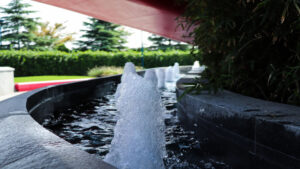
Garden fountains work well as decorative centrepieces in formal gardens, residential entrances, courtyards, and hospitality landscapes. Options include traditional tiered fountains, modern jet fountains, sculptural designs, and compact standalone installations.
Waterfalls and Cascading Features
A waterfall creates a sense of movement as water flows over stone, concrete, or other suitable surfaces. Cascading features can work particularly well beside landscaped slopes, garden walls, swimming pools, and resort settings.
Reflecting Pools
Reflecting pools use a relatively calm water surface to mirror surrounding architecture, trees, and the sky. Their clean lines suit contemporary gardens, luxury properties, commercial entrances, and minimalist landscapes.
Decorative Ponds
Ponds can create a natural-looking garden environment when combined with appropriate planting, stones, and carefully planned edges. Depending on the design, they may require filtration, circulation, and additional water-quality management.
Water Walls and Wall Fountains
Wall-mounted water features are useful where ground space is limited. Water can flow over textured stone, tile, glass, or other suitable finishes, creating a distinctive visual feature for courtyards, patios, and compact gardens.
Interactive and Architectural Fountains
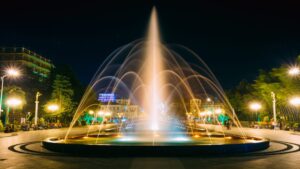
Larger commercial landscapes, public spaces, and hospitality projects may benefit from programmable jets, geometric water displays, or interactive fountains. These installations require additional planning for hydraulic systems, electrical safety, drainage, and ongoing maintenance.
Landscape Design Ideas for Different Spaces
Residential Gardens
A small fountain near a seating area, a pond surrounded by plants, or a simple water wall can add character without overwhelming a garden. Keep circulation routes clear and choose a feature that fits the available space.
Hotels and Resorts
A statement fountain at the entrance can create a strong first impression. Cascading water near outdoor lounges or a landscaped pool can also help establish a consistent design theme throughout the property.
Commercial Buildings
Office campuses, shopping complexes, and corporate properties can use water features to define entrances, courtyards, and landscaped gathering spaces. Durable materials and accessible maintenance areas are especially important in high-traffic locations.
Parks and Public Spaces
Larger landscapes can incorporate fountains, decorative ponds, or interactive water features. Designs should consider public safety, accessibility, water management, supervision, and the cost of operating the installation.
Contemporary Outdoor Spaces
For a modern appearance, combine clean-lined water features with restrained planting, natural stone, architectural concrete, and subtle lighting. A simple design often works better than combining too many competing elements.
Important Factors in Water Feature Landscape Design
A visually attractive concept needs sound technical planning to function reliably.
Space and proportions: Choose a feature that suits the size of the garden and the scale of nearby buildings. Oversized installations can dominate small spaces, while very small features may lack impact in large landscapes.
Water circulation: Pumps, pipes, filters, and nozzles should be selected to suit the intended water effect and operating requirements. Proper circulation can help maintain consistent performance.
Drainage and waterproofing: Plan how water will be contained, recirculated, and drained. Suitable waterproofing and structural preparation help reduce leakage and moisture-related problems.
Materials and finishes: Select materials appropriate for continuous water exposure, weather conditions, cleaning requirements, and the desired appearance.
Lighting and electrical safety: Plan lighting positions, access for maintenance, and suitable protection for electrical equipment near water. Installation should be carried out by qualified professionals using applicable safety requirements.
Maintenance access: Pumps, filters, control systems, and lighting components should remain accessible for inspection and repair.
Sustainable Landscape Design with Water Features
Water features can be designed with resource efficiency in mind. Although no installation is maintenance-free, several decisions can help control operating demands.
- Use recirculating systems: Properly designed systems reuse water rather than continuously discharging it.
- Select efficient pumps: Match pump capacity to the feature’s actual hydraulic requirements.
- Control unnecessary splash and evaporation: Appropriate nozzle selection and placement can reduce water loss caused by excessive spray.
- Choose suitable plants: Native or climate-appropriate planting can reduce irrigation requirements when matched to local conditions.
- Use timers and controls: Operating schedules can help avoid unnecessary runtime where continuous operation is not required.
- Plan regular maintenance: Clean filters and correctly maintained equipment can help a system operate as intended.
Sustainable design is not simply about adding greenery. It involves balancing the visual effect with water availability, energy consumption, local conditions, and long-term operating costs.
Maintenance and Safety Considerations
Regular care helps protect both the appearance and performance of a landscape water feature. Depending on the installation, maintenance may include cleaning the basin, removing leaves and debris, inspecting pumps and nozzles, checking water levels, cleaning filters, and testing lighting and control equipment.
Water quality also matters. Stagnant water may encourage algae and mosquito breeding, so circulation, cleaning, and appropriate water management should be considered from the beginning.
For installations accessible to children or the public, provide suitable barriers or other safety measures where required. Electrical components, slippery surfaces, exposed edges, and water depth should be assessed during design.
A practical maintenance plan should identify inspection frequency, responsible personnel, equipment access, and expected operating costs.
Why Choose RES Group for Outdoor Water Feature Solutions?
RES Group provides outdoor lifestyle solutions alongside fountain design and construction services. Its published offerings include water feature design, landscape structures, plant selection, fountains, and related outdoor installations.
For a residential garden, commercial property, hotel, or resort, an integrated design approach can help coordinate the water feature with surrounding planting, pathways, seating areas, lighting, and architectural details.
Explore RES Group’s Outdoor Lifestyle Solutions to learn more about its landscape-related services, or visit its fountain construction services page to explore water feature options.
Before beginning a project, discuss the site’s dimensions, preferred design, budget, water and power availability, maintenance expectations, and any structural requirements with the project team.
Frequently Asked Questions
1. What is landscape design with water features?
It is the process of integrating fountains, ponds, waterfalls, reflecting pools, or water walls into a landscape alongside planting, pathways, lighting, and architectural elements.
2. Which water feature is best for a small garden?
Compact fountains and wall-mounted water features can work well in smaller gardens because they use less ground space. The best option depends on available room, installation requirements, maintenance needs, and the surrounding design.
3. Are water features expensive to maintain?
Maintenance costs depend on the feature’s size, pump and filtration systems, lighting, water treatment, and frequency of use. A simple recirculating fountain may require less attention than a large pond or programmable fountain.
4. How can I make a landscape water feature more sustainable?
Consider efficient pumps, recirculating water systems, appropriate nozzle design, suitable planting, operating schedules, and regular maintenance. The right combination depends on the installation and local conditions.
5. Can water features be added to commercial landscapes?
Yes. Fountains, reflecting pools, water walls, and cascades can suit office campuses, hotels, resorts, shopping complexes, and public spaces. Planning should account for safety, visitor movement, durability, and maintenance access.
6. Does RES Group provide water feature and fountain solutions?
RES Group publishes services for outdoor lifestyle solutions and fountain design and construction. Contact the company directly to discuss your site’s requirements, design options, project scope, and installation needs.
Conclusion
Landscape design with water features can bring together architecture, greenery, lighting, and water to create attractive and functional outdoor spaces. Whether you prefer a compact garden fountain, a cascading waterfall, a reflecting pool, or a large architectural installation, careful planning helps balance visual appeal with safety, sustainability, and long-term maintenance.
For customised landscape and water feature ideas, explore RES Group’s outdoor lifestyle and fountain services to discuss a design suited to your property.