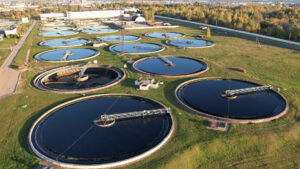
A swimming pool should look inviting, feel comfortable to use, and remain properly maintained throughout the year. However, keeping pool water clean requires more than removing floating leaves. Dirt, algae, body oils, sunscreen, and other contaminants can affect water quality, while poorly maintained filters and circulation systems can make cleaning less effective.
If you are looking for Swimming Pool Cleaning Services in Kolkata, it is important to understand what professional cleaning involves, how frequently your pool needs attention, and which maintenance tasks should never be overlooked.
Kolkata’s humid weather, seasonal rainfall, surrounding vegetation, and changing pool usage can influence cleaning requirements. A well-planned maintenance routine helps residential and commercial property owners manage these conditions and identify problems before they become more expensive to resolve.
RES Group provides swimming pool design, construction, maintenance, cleaning, renovation, and repair services for residential and commercial projects. Property owners can explore the company’s swimming pool and outdoor solutions to learn more about its service offerings.
What Are Swimming Pool Cleaning Services?
Swimming pool cleaning services involve removing debris, cleaning pool surfaces, monitoring water quality, and maintaining the equipment responsible for circulation and filtration.
Depending on the pool’s condition and service agreement, professional cleaning may include:
- Removing leaves, insects, and floating debris.
- Brushing pool walls, steps, corners, and floors.
- Vacuuming settled dirt and sediment.
- Cleaning skimmer baskets and inspecting filter systems.
- Testing water chemistry and making appropriate adjustments.
- Inspecting pumps, circulation systems, and visible equipment.
- Identifying signs of algae, cloudy water, or other maintenance problems.
A cleaning visit does not automatically include every task. Before booking, confirm which services are included, whether chemicals are supplied, and whether repairs or specialist treatments are charged separately.
The main objective is to maintain a clean pool environment through regular cleaning, appropriate water treatment, and effective circulation.
Why Is Professional Swimming Pool Cleaning Important?
Regular cleaning supports pool hygiene, appearance, and equipment performance. Leaving a pool unattended can allow debris to accumulate, interfere with filtration, and contribute to water-quality problems.
1. Maintains Water Quality
Water can appear clear while still having an unsuitable disinfectant level or imbalanced chemistry. Regular testing helps identify problems that cannot be detected by appearance alone.
The US Centers for Disease Control and Prevention (CDC) explains that maintaining appropriate chlorine concentration and pH is important for controlling germs in swimming pools. Pool operators should follow applicable local requirements and equipment instructions alongside established water-treatment guidance.
Read the CDC’s guidance on pool water treatment and testing.
2. Helps Prevent Algae and Surface Deposits
Algae can develop when pool conditions favour its growth. Deposits may also accumulate on tiles, steps, and other surfaces.
Regular brushing, filtration, water testing, and appropriate treatment help control these issues. If the pool becomes green, slippery, or unusually cloudy, investigate the underlying cause instead of relying on surface cleaning alone.
3. Supports Filtration and Circulation
The pump and filtration system help move water through the treatment process and remove suspended particles. Clogged baskets, dirty filters, or circulation problems can reduce cleaning effectiveness.
Routine inspection helps identify issues that may require filter cleaning, equipment servicing, or repair.
4. Protects the Pool’s Appearance
Tiles, coping, steps, and surrounding decks all contribute to a pool’s overall appearance. Consistent cleaning removes accumulated dirt and helps keep these areas presentable.
For hotels, resorts, residential complexes, and other commercial facilities, appearance can be particularly important to the visitor experience.
5. Helps Identify Problems Early
A regular maintenance visit can reveal visible leaks, unusual pump noise, damaged fittings, persistent water discolouration, or other signs of trouble.
Finding these problems early may make it easier to arrange appropriate repairs before the condition worsens.
What Does a Professional Swimming Pool Cleaning Process Involve?
A thorough cleaning routine should follow the needs of the pool rather than relying on a single method for every property.
Step 1: Inspect the Pool and Water Condition
The process begins with checking the pool’s visible condition, water clarity, surrounding area, and equipment operation.
The technician can identify excessive debris, surface deposits, unusual discolouration, or signs of poor circulation. This inspection helps determine which cleaning tasks are necessary.
Step 2: Remove Floating Debris
Leaves, insects, dust, and other floating material should be removed using suitable cleaning tools. Skimmer baskets should also be checked because accumulated debris can restrict water flow.
Outdoor pools surrounded by trees or landscaping may require more frequent surface cleaning.
Step 3: Brush Walls and Pool Surfaces
Brushing helps loosen deposits from tiles, walls, steps, corners, and other surfaces. The correct brush should be selected for the pool’s finish to avoid scratching or damaging it.
Areas with poor circulation may need particular attention because dirt and deposits can accumulate there.
Step 4: Vacuum the Pool Floor
Fine dirt and heavier debris can settle at the bottom of the pool. Manual or suitable automatic vacuuming equipment can remove these particles.
The appropriate method depends on the pool’s construction, surface, filtration system, and the amount of accumulated material.
Step 5: Test and Treat the Water
Water testing helps determine whether pH and disinfectant levels require adjustment. Other parameters may also need monitoring depending on the water-treatment system.
Chemical quantities should be based on test results, pool volume, product instructions, and applicable requirements. Pool chemicals must never be mixed casually, and handling should follow appropriate safety procedures.
Step 6: Check Filters and Circulation Equipment
The technician should check accessible equipment for visible problems, inspect baskets, and assess filter condition according to the manufacturer’s recommendations.
Any unusual noise, leakage, reduced circulation, or persistent pressure issue should be investigated rather than ignored.
Step 7: Review the Results
After cleaning, the pool should be checked for remaining debris, visible surface issues, and appropriate equipment operation. Relevant water-treatment results and outstanding maintenance issues should be communicated to the owner or facility manager.
A record of recurring problems helps make future maintenance more consistent.
How Often Should You Clean a Swimming Pool in Kolkata?
There is no universal cleaning schedule for every swimming pool. The right frequency depends on pool size, usage, weather exposure, surrounding vegetation, and the condition of the filtration system.
| Maintenance activity | General planning guidance |
| Remove floating leaves and debris | Daily or as needed |
| Check baskets and circulation | Regularly, according to usage and equipment guidance |
| Test water chemistry | Frequently, with more checks for heavily used pools |
| Brush walls and clean the pool floor | Weekly or as needed |
| Inspect filtration equipment | At the intervals recommended by the manufacturer and according to operating conditions |
| Conduct a comprehensive inspection | Periodically and whenever a problem appears |
These are general guidelines, not a substitute for a suitable maintenance plan or applicable public-pool requirements.
Summer Maintenance
Higher temperatures, sunlight, and frequent swimming can affect disinfectant levels and increase the need for water testing. Debris removal and filtration checks should continue consistently during periods of heavy use.
Monsoon Maintenance
Rain can introduce leaves, dust, and other contaminants into an outdoor pool. Significant rainfall may also alter water chemistry.
Inspect the pool after heavy rain, remove accumulated debris, and test the water before use. Do not assume the water is safe simply because it looks clear.
Maintenance for Pools Near Gardens
Pools surrounded by trees, landscaped gardens, or exposed outdoor spaces may collect leaves, pollen, insects, and dust more frequently. Adjust surface cleaning and basket checks according to the actual amount of debris entering the pool.
Maintenance for Commercial Pools
Hotels, resorts, clubs, gyms, and residential complexes often experience higher or more variable usage. Their maintenance plans should account for user numbers, operating hours, water-quality monitoring, equipment performance, and applicable safety requirements.
Residential vs Commercial Swimming Pool Cleaning
Although the basic cleaning principles are similar, the maintenance priorities can differ.
Residential swimming pools: Homeowners may focus on regular debris removal, water testing, surface cleaning, and keeping equipment in working condition. The schedule can be adapted to household usage and weather exposure.
Apartment and housing-society pools: Shared facilities benefit from documented cleaning schedules, clear responsibility for maintenance, and consistent water-quality checks.
Hotels and resorts: Guest usage, operating schedules, and presentation may require more frequent inspections and a clearly defined maintenance process.
Gyms and clubs: Higher usage makes water testing, circulation, hygiene, and equipment checks especially important.
Commercial pool operators should maintain appropriate records and follow relevant local regulations and operating requirements.
Signs Your Swimming Pool Needs Professional Cleaning
Arrange an inspection if you notice any of the following:
- Cloudy water that does not clear with normal filtration.
- Green discolouration or visible algae.
- Slippery deposits on walls, steps, or pool floors.
- Persistent debris despite regular skimming.
- Unusual water odour or visible surface deposits.
- Reduced water circulation or unusual pump noise.
- Repeated water-quality problems after treatment.
- Visible leaks or deterioration around pool fittings.
These signs can have different causes, so the correct solution depends on inspection and testing.
If water quality or disinfection is uncertain, restrict swimming until the problem has been assessed and the pool is confirmed suitable for use.
How to Choose Swimming Pool Cleaning Services in Kolkata
Choosing a cleaning provider involves evaluating the actual service, not just comparing quotations.
Check the Scope of Work
Ask whether the service includes skimming, brushing, vacuuming, water testing, chemical balancing, filter inspection, and equipment checks.
A written scope helps prevent misunderstandings about what a scheduled visit covers.
Ask About Water Testing
A suitable provider should explain how water chemistry is checked and how treatment decisions are made. Clear water alone is not proof of suitable water quality.
Confirm Equipment Knowledge
The provider should understand the pool’s pump, filter, skimmer, and circulation system, or explain when specialist servicing is required.
Request a Clear Quotation
Pricing should reflect pool size, condition, cleaning frequency, consumables, and the work required. Ask whether chemicals, additional treatments, equipment repairs, and emergency visits are included.
Check Scheduling and Communication
For commercial pools and shared facilities, confirm visit frequency, reporting arrangements, and how urgent maintenance issues will be communicated.
Choose a Service That Fits Your Pool
A small residential pool and a heavily used commercial pool should not automatically receive the same cleaning plan. The schedule should reflect the pool’s actual requirements.
To discuss your project requirements, visit RES Group’s.
What Affects Swimming Pool Cleaning Costs in Kolkata?
The cost of swimming pool cleaning services in Kolkata depends on the work required and the condition of the pool. A standard maintenance visit is different from a major cleaning treatment or an equipment repair.
The main pricing factors include:
- Pool size: Larger pools generally require more time and resources.
- Water condition: Green, cloudy, or heavily contaminated water may need additional assessment and treatment.
- Cleaning frequency: Regular scheduled maintenance differs from occasional deep cleaning.
- Equipment type: The filtration and circulation system can influence the work involved.
- Chemicals and supplies: Confirm whether testing supplies and treatment products are included.
- Additional repairs: Leaks, pump problems, and damaged fittings may require separate work.
- Access and location: Site access and the location of the property may affect service arrangements.
There is no single reliable price for every pool. Request a quotation based on the actual pool dimensions, current condition, required services, and visit frequency.
A detailed quotation makes it easier to compare providers on a like-for-like basis instead of selecting a service solely because it has the lowest initial price.
Why Choose RES Group for Swimming Pool Solutions?
RES Group’s website describes its work in swimming pool design and construction for residential and commercial properties, with maintenance support also mentioned. Its services page presents swimming pools alongside related solutions for residential, commercial, and rooftop projects.
The company’s swimming pool construction provides further information about its pool-related capabilities and project process.
If you need cleaning or maintenance support, contact RES Group to confirm the exact service available for your property, the scope of work, the proposed schedule, and the quotation before booking.
This ensures that the service plan is based on your pool’s needs rather than assumptions about what every maintenance package includes.
Conclusion
Reliable Swimming Pool Cleaning Services in Kolkata involve more than removing visible debris. Regular brushing, vacuuming, water testing, appropriate treatment, filtration checks, and equipment inspections all contribute to effective pool maintenance.
Kolkata’s seasonal weather and the pool’s usage patterns should influence the cleaning schedule. Residential owners, housing societies, hotels, resorts, and other commercial facilities should select a routine that reflects their specific requirements.
By asking the right questions, confirming the service inclusions, and addressing problems promptly, pool owners can manage maintenance more effectively and reduce avoidable disruption.
For information about swimming pool solutions and project support, visit RES Group or contact the team to discuss your requirements.
Frequently Asked Questions
1. What is included in swimming pool cleaning services in Kolkata?
Depending on the service agreement, cleaning may include removing floating debris, brushing surfaces, vacuuming the pool floor, cleaning baskets, testing water, and checking filtration equipment. Confirm the exact inclusions before booking.
2. How often should a swimming pool be cleaned?
Visible debris should be removed as needed, while pool surfaces, water chemistry, and filtration should be checked regularly. Pools with heavy usage, significant leaf exposure, or changing water conditions may require more frequent attention.
3. How much do swimming pool cleaning services cost in Kolkata?
The cost depends on pool dimensions, water condition, cleaning frequency, equipment, and the treatments required. Request a quotation that clearly separates routine cleaning from additional chemicals, deep cleaning, and repairs.
4. Can a swimming pool be cleaned during the monsoon?
Yes. Outdoor pools can be maintained during the monsoon, but rainfall may introduce debris and affect water chemistry. Inspect and test the pool after significant rainfall, and allow swimming only when water quality and disinfection are suitable.
5. How can I tell if my pool needs professional cleaning?
Cloudy water, algae, slippery surfaces, persistent debris, unusual odours, and poor circulation can indicate a maintenance problem. Water testing and equipment inspection help determine the appropriate response.
6. Does pool cleaning include chemical balancing?
Not always. Some packages include water testing and chemical adjustments, while others charge separately for chemicals or specialist treatment. Confirm the scope and pricing before arranging a visit.
7. Is pool cleaning enough to keep the water safe?
No. Cleaning removes debris and deposits, but suitable disinfection, balanced water chemistry, circulation, and filtration are also necessary. Water should be tested regularly, and chemical handling must follow product instructions and applicable requirements.
8. Do residential and commercial pools need the same cleaning schedule?
No. Commercial pools may have higher usage, longer operating hours, and additional monitoring requirements. Maintenance frequency should reflect pool usage, water quality, equipment, and applicable regulations.