A successful swimming pool construction project follows a structured process that ensures durability, safety, functionality, and long-term performance. Whether the project involves a residential property, hotel, resort, sports facility, or community complex, understanding each phase helps property owners make informed decisions and achieve better outcomes.
According to the India Brand Equity Foundation (IBEF), India’s real estate and hospitality sectors continue expanding steadily, increasing demand for premium recreational amenities such as swimming pools. As a result, developers increasingly focus on quality engineering, efficient water management systems, and sustainable construction practices.
Professional swimming pool construction services streamline the entire process, ensuring proper design, structural integrity, waterproofing, filtration efficiency, and compliance with local regulations. Understanding the complete workflow helps stakeholders evaluate project progress and maintain quality standards at every stage.
Why Is a Structured Construction Process Important?
A swimming pool is more than a water-filled structure. It combines civil engineering, hydraulics, waterproofing, electrical systems, and landscape integration.
A structured process helps:
- Ensure structural stability
- Improve water circulation efficiency
- Reduce future maintenance issues
- Enhance user safety
- Increase property value
- Support long-term operational performance
Research published by the National Building Code of India highlights that proper planning and construction significantly improve the lifespan of recreational infrastructure.
What Are the Main Stages of Swimming Pool Construction?
The process generally includes:
| Stage | Purpose |
|---|---|
| Site Assessment | Evaluate location suitability |
| Design Planning | Develop layout and specifications |
| Excavation | Prepare pool area |
| Structural Construction | Build framework and shell |
| Plumbing Installation | Enable circulation systems |
| Electrical Installation | Support lighting and equipment |
| Waterproofing | Prevent water leakage |
| Finishing Works | Apply tiles and decorative elements |
| Testing & Commissioning | Verify system performance |
| Handover & Maintenance Planning | Ensure long-term operation |
Each phase plays a critical role in overall project success.
Site Assessment and Planning
Why Does Site Evaluation Matter?
Before construction begins, professionals assess the site conditions.
They typically examine:
- Soil quality
- Groundwater levels
- Drainage patterns
- Accessibility
- Utility connections
- Space availability
For example, properties in high-rainfall regions require enhanced drainage planning to prevent water accumulation around the pool structure.
According to industry reports, inadequate site assessment contributes to a significant percentage of structural issues observed in recreational water facilities.
Defining Project Objectives
The planning phase also identifies:
- Pool purpose
- User capacity
- Depth requirements
- Safety considerations
- Architectural preferences
This step ensures alignment between design expectations and engineering requirements.
Designing the Pool Structure
What Happens During Pool Design?
Design professionals create detailed drawings and technical specifications.
The design process includes:
- Pool dimensions
- Shape selection
- Entry and exit points
- Filtration system layout
- Decking integration
- Lighting placement
Modern projects increasingly incorporate energy-efficient technologies and smart monitoring systems.
According to hospitality industry research, visually appealing pool designs often improve guest engagement and property attractiveness.
Popular Design Considerations
- Infinity-edge pools
- Lap pools
- Family recreation pools
- Resort-style pools
- Rooftop installations
- Naturalistic pool designs
Design decisions influence construction methods and operational efficiency.
Excavation and Ground Preparation
Once the design receives approval, excavation begins.
Heavy machinery removes soil according to approved dimensions.
During this phase, contractors:
- Mark boundaries
- Establish elevation levels
- Create drainage provisions
- Prepare foundation surfaces
Accurate excavation remains essential because even small deviations can affect structural performance later.
Quality Checks During Excavation
| Inspection Area | Objective |
| Dimensions | Match approved design |
| Soil Stability | Support structure safely |
| Drainage Pathways | Prevent water accumulation |
| Depth Accuracy | Ensure compliance with specifications |
Proper ground preparation creates a reliable foundation for the next phase.
Building the Structural Framework
How Is the Pool Shell Constructed?
The structural stage forms the backbone of the project.
Engineers install reinforcement bars and construct the framework according to structural calculations.
The shell construction process generally includes:
- Steel reinforcement installation
- Formwork preparation
- Concrete application
- Structural curing
- Strength testing
Industry studies indicate that reinforced concrete remains one of the most widely used materials for long-lasting pool structures.
This stage determines the pool’s ability to withstand water pressure and environmental conditions.
Installing Plumbing and Circulation Systems
Water circulation directly affects hygiene and user experience.
Therefore, plumbing installation occurs before finishing works begin.
Key components include:
- Main drains
- Skimmers
- Return inlets
- Filtration lines
- Balancing tanks
- Pump connections
Professional swimming pool construction services focus heavily on hydraulic efficiency because improper circulation can lead to water quality issues.
Why Is Water Circulation Critical?
Effective circulation:
- Distributes chemicals evenly
- Improves filtration performance
- Reduces algae growth
- Enhances water clarity
Studies from aquatic facility management organizations show that optimized circulation significantly improves pool hygiene standards.
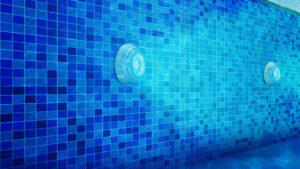
Electrical Systems and Underwater Lighting
Modern pools depend on integrated electrical systems.
Contractors install:
- Underwater lighting
- Control panels
- Automation systems
- Safety switches
- Pump controls
LED lighting has become particularly popular due to energy efficiency and long operational life.
Furthermore, advanced automation allows operators to monitor performance remotely.
Waterproofing the Structure
Why Is Waterproofing Essential?
Waterproofing protects the structure from leakage and moisture-related deterioration.
Common waterproofing measures include:
- Surface treatments
- Membrane applications
- Joint sealing systems
- Protective coatings
Industry experts consistently identify waterproofing as one of the most critical factors influencing pool longevity.
Additionally, waterproofing helps preserve adjacent structures and landscaping features.
For further understanding of waterproofing principles, readers can explore the concept of waterproofing on Wikipedia:
https://en.wikipedia.org/wiki/Waterproofing
Tile Installation and Finishing Works
After waterproofing verification, finishing materials are installed.
Popular finishing options include:
- Ceramic tiles
- Glass mosaic tiles
- Natural stone finishes
- Decorative coping systems
Finishing work enhances both appearance and functionality.
Factors Influencing Material Selection
| Consideration | Importance |
| Slip Resistance | User safety |
| Durability | Long-term performance |
| Maintenance Requirements | Operational efficiency |
| Visual Appeal | Aesthetic value |
| Water Resistance | Structural protection |
The finishing stage often defines the visual identity of the entire facility.
Testing and Commissioning
Before opening the pool, all systems undergo comprehensive testing.
Contractors verify:
- Water circulation
- Filtration performance
- Lighting operation
- Leak prevention
- Safety systems
- Chemical balance readiness
According to aquatic facility management best practices, systematic commissioning reduces operational issues after project completion.
What Does Final Inspection Include?
The final inspection ensures:
- Design compliance
- Structural integrity
- Equipment functionality
- User safety readiness
Only after successful testing should the pool enter operational use.
Handover and Long-Term Maintenance Planning
A well-constructed pool still requires proper maintenance.
During handover, operators receive guidance regarding:
- Water treatment schedules
- Equipment inspections
- Cleaning procedures
- Preventive maintenance routines
Professional swimming pool construction services often provide operational recommendations that support long-term performance and user satisfaction.
Regular maintenance helps preserve structural integrity while ensuring water quality remains consistent.
Conclusion
The swimming pool construction process involves far more than excavation and concrete work. Every stage, from planning and design to waterproofing, testing, and maintenance preparation, contributes to long-term success. By following a structured workflow and engaging experienced professionals, property owners can achieve durable, efficient, and visually appealing aquatic facilities that perform reliably for years.
Frequently Asked Questions (FAQs)
1. How long does the swimming pool construction process typically take?
The timeline depends on project size, design complexity, weather conditions, and site characteristics. Most projects move through planning, structural work, finishing, and testing in a phased manner.
2. What is the most important stage in swimming pool construction?
Every stage matters; however, structural engineering, waterproofing, and plumbing installation significantly influence long-term performance and durability.
3. Why is waterproofing necessary in a swimming pool?
Waterproofing prevents leakage, protects structural components, reduces moisture damage, and increases the lifespan of the facility.
4. What safety features should be included in a swimming pool?
Common safety measures include anti-slip surfaces, proper lighting, handrails, depth markers, secure access points, and compliant drainage systems.
5. How often should a swimming pool be inspected after construction?
Routine inspections should occur regularly to evaluate water quality, filtration systems, electrical equipment, structural condition, and overall operational efficiency.