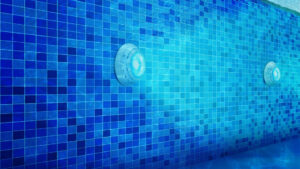
A swimming pool can look beautiful during the day, but the right lighting can transform it into an impressive architectural feature after sunset. From residential swimming pools and luxury hotels to commercial pools and decorative fountains, underwater lighting improves nighttime presentation and helps create a more attractive water environment.
However, choosing the right lights is only one part of the process. Fixture positioning, electrical protection, waterproof construction, installation quality, and maintenance all influence the performance of the lighting system.
Choosing an experienced underwater lighting installation company helps ensure that these requirements are considered before the project begins.
RES Group offers underwater lighting products and solutions for swimming pools, fountains, and other water features in Kolkata. Whether you are planning a new swimming pool or upgrading an existing installation, understanding the available lighting options can help you make a better decision.
What Is Underwater Lighting Installation?
Underwater lighting installation involves fitting specially designed lighting fixtures inside swimming pools, fountains, ponds, and other water features.
These fixtures are designed for their intended submerged environment. Their construction, sealing, electrical specifications, and installation arrangements must be suitable for the conditions in which they operate.
Modern underwater lighting systems can include LED pool lights, recessed fixtures, surface-mounted lights, RGB colour-changing lights, and fountain illumination systems.
The right selection depends on the pool dimensions, water depth, construction, desired lighting effect, and maintenance requirements.
7 Benefits of Professional Underwater Lighting Installation
Underwater lighting is more than a decorative addition. When properly selected and installed, it can improve the appearance and usability of a swimming pool or water feature.
1. Creates an Attractive Nighttime Appearance
Underwater LED lights illuminate the water after sunset, making the pool more visually appealing. Carefully selected lighting colours can complement the surrounding architecture and landscape.
2. Highlights Pool Design Features
Lighting can draw attention to pool steps, curved walls, seating areas, decorative edges, and architectural details.
This is particularly useful for pools with distinctive shapes or integrated water features.
3. Improves Visibility Within the Pool
Appropriately designed illumination can help make pool steps, edges, and underwater features easier to see at night. Lighting should complement, not replace, appropriate supervision and other pool-safety measures.
4. Offers Different Lighting Effects
Modern LED fixtures are available in white, warm-white, and RGB options. This allows property owners to choose lighting that suits their preferences and the character of the property.
5. Complements Luxury Properties
Hotels, resorts, clubs, and premium residential properties often use underwater lighting to enhance the overall presentation of their swimming pools.
6. Highlights Fountains and Water Features
Underwater lights can illuminate fountain jets, cascading water, and decorative water structures, creating attractive effects after dark.
7. Supports a Coordinated Pool Design
When lighting is planned alongside pool construction, it can be integrated with the overall design, electrical layout, wall finishes, and surrounding landscape.
8 Types of Underwater Lights for Swimming Pools and Fountains
Different water features require different lighting arrangements. Here are eight common underwater lighting options to consider.
1. LED Underwater Pool Lights
LED underwater lights are widely used in modern swimming pools. They offer different power options, compact designs, and colour choices depending on the product. They are suitable for many residential and commercial pool applications when the selected fixture meets the project’s technical requirements.
2. Recessed Underwater Lights
Recessed fixtures are installed within suitable wall openings or niches. They create an integrated appearance and are often planned during pool construction. Their installation requires coordination with the pool structure and waterproofing arrangements.
3. Surface-Mounted Underwater Lights
Surface-mounted fixtures are attached to suitable pool surfaces according to the manufacturer’s installation instructions. They may be considered for certain new installations and existing pools, depending on construction and product compatibility.
4. RGB Colour-Changing Lights
RGB lights provide different colour effects and can be used in decorative pool environments. They are popular for hotels, resorts, clubs, and properties where lighting ambience is an important design feature.
5. Warm-White Underwater Lights
Warm-white lighting creates a softer appearance and can complement traditional architecture, natural stone, and landscaped pool surroundings.
6. Cool-White Underwater Lights
Cool-white lighting provides a crisp, bright appearance and may suit contemporary swimming pool designs.
7. Fountain Underwater Lights
Fountain lights are selected according to the fountain’s structure, water movement, viewing angles, and intended illumination effect.
8. Decorative Water-Feature Lights
Decorative underwater fixtures can be used in selected ponds, water gardens, and architectural water installations. Product suitability depends on the specific environment and installation requirements.
RES Group Underwater Lighting Product Options
RES Group offers different underwater lighting fixtures for swimming pools and water features. Its product brochure lists several models with different dimensions, power options, materials, and lighting colours.
Some listed product options include:
| Product | Listed power options | Available colours |
|---|---|---|
| RES MiniLED | 3W, 4.5W, 6W | White, warm white, RGB |
| RES MiniLED Recess | 3W, 4.5W, 6W | White, warm white, RGB |
| RES PureLED | 10W, 15W, 18W | White, warm white, RGB |
| RES DeepLED Recess | 10W, 15W, 18W | White, warm white, RGB |
| RES RingLED | 6W, 9W, 12W, 18W | White, warm white, RGB |
The listed products include 12V DC input and IP68 protection. Dimensions and construction materials vary by model. These options provide different fixture styles and power selections for swimming pools and water features.
Explore RES Group’s underwater lighting solutions for more product information.
9 Factors to Consider Before Choosing an Underwater Lighting Installation Company
Choosing a suitable installation company is important because underwater lighting involves both design and electrical considerations. Before finalising a service provider, evaluate these nine factors.
1. Experience with Swimming Pools and Water Features
Look for a company familiar with swimming pool construction, fountain projects, and underwater lighting applications. Experience with different water-feature environments can help with project planning.
2. Product Range
Check whether the company offers different fixture styles, power options, colours, and installation types. A suitable product range makes it easier to select lights according to the project’s requirements.
3. Technical Product Specifications
Ask for the manufacturer’s product information, including voltage, protection rating, materials, permitted installation conditions, and operating requirements. Do not rely only on product photographs or marketing descriptions.
4. Electrical Safety Planning
Underwater lighting requires appropriate electrical protection and qualified installation. The company should consider compatible power supplies, protective devices, cable routing, connections, and applicable electrical requirements.
5. Lighting Placement
Ask how the company will decide the number and positions of fixtures. A lighting plan should consider pool dimensions, depth, viewing angles, and the desired illumination effect.
6. New Installation and Retrofit Capability
A new swimming pool and an existing pool may require different installation approaches. Confirm whether the proposed solution is suitable for your specific pool structure.
7. Waterproofing and Fixture Compatibility
The fixtures, seals, fittings, and installation arrangements must be appropriate for the intended underwater environment. Request product documentation and installation instructions.
8. Testing and Handover
Ask what inspection and testing will be carried out before the system is handed over. The final handover should include relevant operating and maintenance guidance.
9. Maintenance Support
Underwater lights may require inspection, cleaning, repair, or replacement. Discuss access to components and the availability of technical support before selecting the installation partner.
7 Steps in the Underwater Lighting Installation Process
A structured installation process helps coordinate the product selection, pool design, and electrical arrangements.
Here are seven important stages.
Step 1: Site Inspection
The installation team assesses the swimming pool or water feature. The assessment considers pool dimensions, water depth, construction, existing electrical arrangements, and the desired lighting effect.
Step 2: Understanding Project Requirements
The property owner and installation team discuss the intended appearance and functionality. This may include white lighting, warm-white illumination, RGB effects, or lighting for specific architectural features.
Step 3: Fixture Selection
Suitable fixtures are shortlisted according to the pool environment, product specifications, power requirements, and installation method.
Step 4: Lighting Layout Planning
Fixture positions are planned to provide balanced illumination and highlight important pool features. For new construction, this stage should be coordinated with the pool design.
Step 5: Electrical and Installation Planning
The team plans suitable cable routes, power supplies, protection systems, connections, and maintenance access. All electrical work must comply with applicable safety requirements and the manufacturer’s instructions.
Step 6: Professional Installation
Install the selected fixtures and related components according to the approved design and product documentation.
Step 7: Inspection and Handover
The completed system undergoes appropriate inspection and testing before handover. The owner should receive operating instructions and relevant maintenance guidance.
Underwater Lighting for New and Existing Swimming Pools
Underwater lighting can be considered during new pool construction or added to an existing swimming pool. However, the installation approach may differ.
New Swimming Pool Construction
Planning underwater lighting during construction helps coordinate fixture positions, cable routes, electrical components, and suitable openings before completing the pool structure. It also helps integrate the lighting design with pool steps, walls, finishes, and water features.
If you are planning a new pool, explore RES Group’s swimming pool construction services.
Existing Swimming Pool Upgrades
Retrofitting an existing pool requires an assessment of its construction and electrical infrastructure.
Important checks include:
- Existing lighting niches or openings.
- Available cable routes.
- Waterproofing conditions.
- Electrical supply and protection.
- Access to transformers and connections.
- Compatibility with the proposed fixtures.
Not every pool supports the same retrofit method. A site inspection is recommended before confirming the installation scope.
6 Common Underwater Lighting Installation Mistakes to Avoid
Even good-quality fixtures may not perform as expected if the installation is poorly planned.
Avoid these six common mistakes.
1. Using Ordinary Outdoor Lights Underwater
Standard outdoor lights should not be used as substitutes for fixtures specifically designed for underwater applications.
2. Ignoring Fixture Positioning
Poorly positioned lights can create dark areas, excessive brightness, and unwanted glare.
3. Overlooking Electrical Protection
Electrical safety requires careful attention to the power supply, connections, cables, and protective devices throughout the installation.
4. Choosing Incompatible Components
Fixtures, transformers, cables, and control systems must be compatible with the intended installation.
5. Ignoring Maintenance Access
Components that are difficult to reach can make future inspection and repairs more complicated.
6. Selecting Products Only by Price
Compare product specifications, construction, protection ratings, manufacturer instructions, and suitability for the intended application instead of choosing only by purchase price.
For more information, read our guide to common underwater lighting installation mistakes.
5 Ways to Maintain Underwater Pool Lights
Regular inspection and appropriate maintenance can help identify problems before they affect the complete lighting system.
Consider these five maintenance practices.
1. Inspect Fixtures Periodically
Look for visible damage, unusual condensation, loose fittings, or signs of deterioration. Do not attempt to open or repair underwater electrical fixtures yourself.
2. Keep Pool Surfaces Clean
Remove dirt, deposits, and algae from accessible pool surfaces using suitable cleaning methods. Follow the manufacturer’s guidance for cleaning the fixtures.
3. Check Lighting Performance
Pay attention to flickering, unexpected colour changes, reduced brightness, or lights that stop working.
Have any electrical fault investigated by a qualified professional.
4. Follow Manufacturer Instructions
Use the recommended operating conditions, maintenance procedures, and compatible replacement components.
5. Arrange Professional Inspection
If a fixture shows damage, leakage, or electrical problems, stop using the affected system and arrange professional inspection. Never touch underwater lighting connections while the power supply remains on.
How Much Does Underwater Lighting Installation Cost?
There is no single installation price for every swimming pool or fountain. The final cost depends on the fixtures, project dimensions, installation complexity, and existing site conditions.
Important cost factors include:
- Number of underwater lights.
- Fixture type and construction material.
- LED power and colour options.
- Pool size and depth.
- Cable length and routing.
- Transformer and electrical protection requirements.
- New installation or retrofit work.
- Waterproofing and structural modifications, where required.
- Control systems and decorative lighting features.
- Inspection and maintenance access.
A new pool gives property owners the opportunity to plan the lighting system during construction. An existing pool may require additional assessment and installation work.
The best way to estimate the cost is to arrange a site assessment and request a project-specific quotation.
8 Questions to Ask Before Hiring an Underwater Lighting Installation Company
Before confirming your project, ask the installation company these eight questions:
- Which underwater lighting fixtures do you recommend for my pool?
- What are the product’s voltage and protection specifications?
- Are the fixtures suitable for my pool’s construction and water conditions?
- How will the number and position of lights be decided?
- What electrical protection and installation arrangements are required?
- Can the system be installed in an existing pool?
- What inspection and testing will be carried out?
- What maintenance and technical support are available?
These questions can help you understand the proposed installation and compare service providers more effectively.
Why Choose RES Group as Your Underwater Lighting Installation Company?
Selecting an underwater lighting partner means choosing a team that understands the technical and visual requirements of water-feature lighting.
RES Group works across swimming pools, fountains, and outdoor water environments, offering underwater lights and accessories alongside installation-related services.
Here are some reasons to consider RES Group for your project:
Product options: Its underwater lighting range includes different fixture styles, power specifications, and white, warm-white, and RGB colour options.
Swimming pool and fountain applications: The company offers products and services for swimming pools and decorative water features.
When building a new pool, property owners can plan the lighting system from the start.
Residential and commercial applications: Property owners can customize underwater lighting to suit the specific requirements of residential and commercial spaces.
Consultation and project support: RES Group’s broader service approach includes consultation, planning, execution, and handover support.
Explore the complete range of RES Group services to understand its swimming pool and water-feature solutions.
Final Thoughts
Underwater lighting can transform a swimming pool or fountain into an attractive nighttime feature. However, a successful installation requires more than choosing bright LED fixtures.
The right product specifications, fixture positioning, electrical protection, waterproofing, installation quality, and maintenance arrangements all contribute to the performance of the system.
Choosing an experienced underwater lighting installation company helps bring these requirements together through proper planning and execution.
For residential pools, commercial swimming facilities, hotels, resorts, and decorative fountains, RES Group offers underwater lighting products and solutions suited to different project requirements.
If you are planning underwater lighting for your property in Kolkata, contact RES Group to discuss your project.
Frequently Asked Questions
1. What does an underwater lighting installation company do?
An underwater lighting installation company helps select suitable fixtures, plan lighting positions, coordinate electrical requirements, install underwater lights, and inspect the completed system for swimming pools, fountains, and other water features.
2. Which lights are best for swimming pools?
Purpose-designed LED underwater lights are a popular choice. Depending on the pool and design requirements, homeowners can consider white, warm-white, or RGB fixtures, along with recessed or surface-mounted options.
3. Are IP68 lights suitable for underwater installation?
IP68-rated products protect against dust and meet specific requirements for continuous water immersion. However, the exact permitted immersion conditions depend on the manufacturer’s specifications. The complete fixture and installation arrangement must be suitable for the intended pool environment.
4. Can underwater lights be installed in an existing swimming pool?
Yes, some existing pools can accommodate retrofit underwater lighting. The method depends on the pool structure, available openings, cable routes, waterproofing, and electrical infrastructure. A site inspection is recommended before installation.
5. Does RES Group provide underwater lighting for fountains?
RES Group offers underwater lighting products and solutions for swimming pools, fountains, and other water features. The lighting arrangement should be selected according to the design and technical requirements of the project.
6. What factors affect underwater lighting installation costs?
Costs depend on the number and type of fixtures, pool dimensions, wiring, transformer requirements, electrical protection, installation complexity, and whether the project involves a new pool or an existing structure.
7. Why should underwater lighting be planned during pool construction?
Planning lighting during construction makes it easier to coordinate fixture locations, cable routes, electrical components, and installation openings. It can also reduce the need for modifications after the pool is completed.